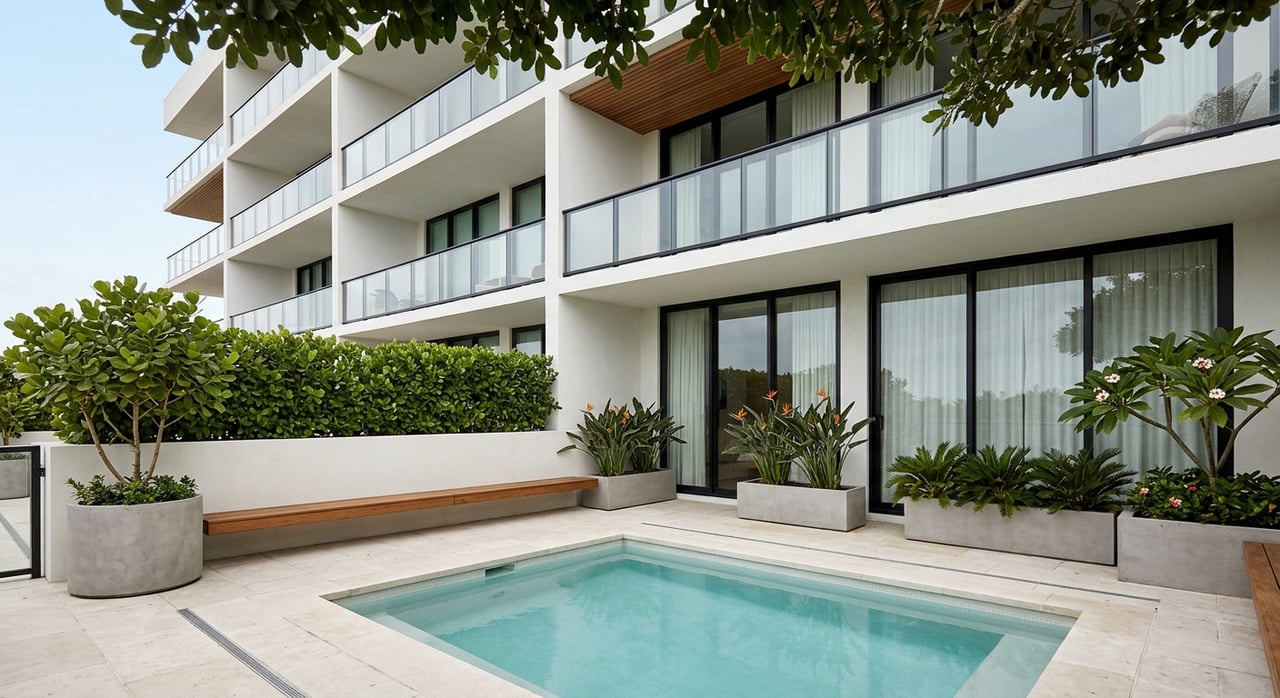
Coconut Grove Houses vs Condos: Find Your Best Fit
May 21, 2026
May 21, 2026
If you are deciding between a single-family home and a condo in Coconut Grove, the real question is not which one is better. It is which lifestyle, cost structure, and ownership experience fits you best. In a neighborhood where detached estates, townhomes, and luxury towers all share the same ZIP code, your decision deserves more than a quick price comparison. Let’s dive in.
Coconut Grove sits in a premium segment of the Miami-Dade market, but the numbers can vary depending on what is being measured. Redfin reports a Coconut Grove median sale price of $2.6 million, with a median price per square foot of $919, 96 days on market, and 56 homes sold in the latest month. At the same time, the broader 33133 ZIP code shows a lower median sale price of $1.7 million and 124 days on market, which suggests the ZIP code extends beyond the Grove core.
That difference matters when you compare property types. Redfin’s current Coconut Grove condo page shows 153 condos for sale at a median listing price of $1.85 million, while townhomes show 20 listings at a median price of $1.57 million. In other words, when you say you want to live in Coconut Grove, you are really choosing among several distinct ownership models.
MIAMI REALTORS also places Coconut Grove among Miami-Dade’s luxury markets, with a single-family luxury threshold of $7.3 million for the neighborhood in Q1 2026. That helps explain why the Grove can appeal to both buyers seeking a lock-and-leave residence and those pursuing a long-term estate purchase.
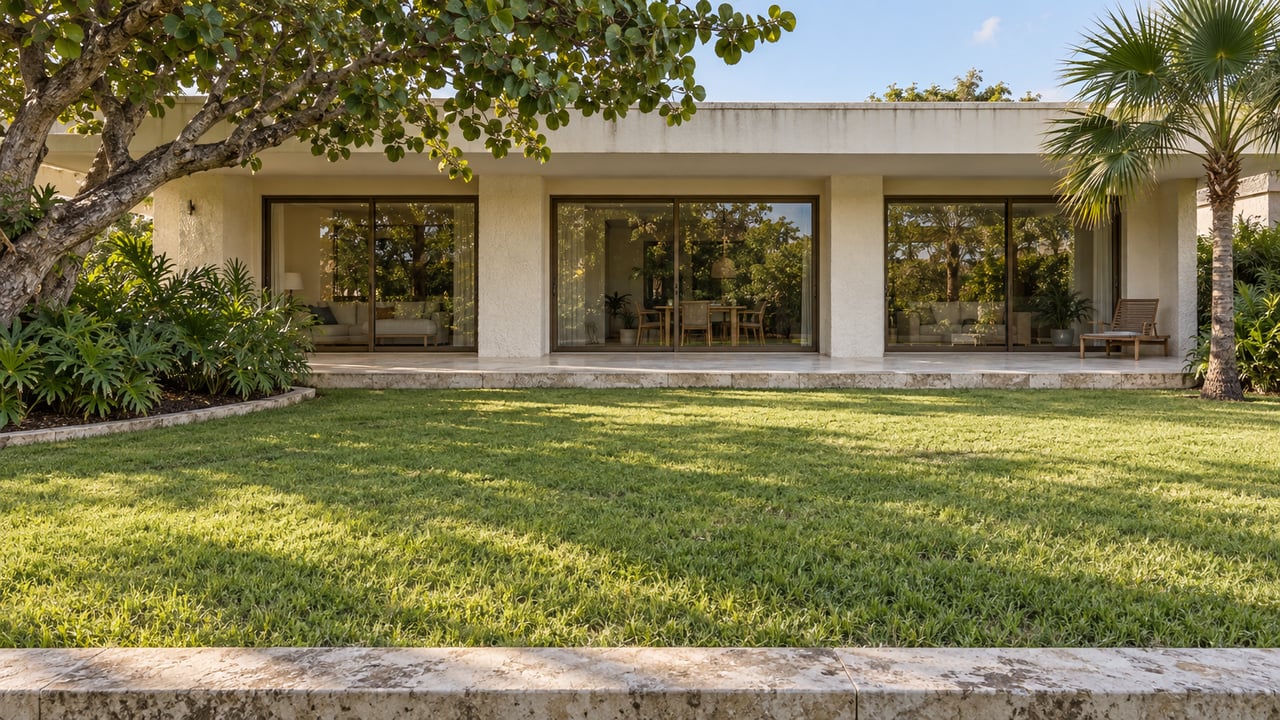
If you value privacy, land, and direct control over your property, single-family living often stands out in Coconut Grove. Current detached-home listings highlight features like lush backyards, private parking, premium lots, garages, pools, and even larger parcels such as a 0.75-acre lot. In this part of the market, the value is often tied to land as much as interior square footage.
That ownership model can be appealing if you want room to spread out, entertain outdoors, or keep more separation from neighbors. You may also prefer the flexibility that comes with owning the structure and lot directly, especially if parking, pets, or future modifications are important to you.
The trade-off is responsibility. With a detached home, more of the upkeep typically falls on you rather than on a shared association. That can include exterior care, systems, and long-term capital improvements.
Single-family homes in Coconut Grove are often the stronger fit if you want:
For many buyers, this is less about square footage alone and more about how you want to live day to day.
Condos in Coconut Grove tend to offer a different value proposition. Current listings emphasize gated entries, marinas, elevators, valet parking, private lobbies, room service, water views, pools, and concierge-style services. That points to a service-driven lifestyle where ease and convenience can matter as much as the residence itself.
For many buyers, this means less time spent managing the property and more time enjoying the neighborhood. If you want to be near CocoWalk, parks, marina access, and local shopping without taking on a larger lot, a condo may offer a better fit.
Townhomes often land in the middle. They can provide more interior space and a stronger indoor-outdoor feel than a condo, while still offering a lower-maintenance setup than a detached home.
Condos and townhomes in Coconut Grove often appeal to buyers who want:
That makes them especially practical for downsizers, seasonal residents, and pied-à-terre buyers.
One reason both ownership types work well in Coconut Grove is that the neighborhood offers strong public amenities. The City of Miami describes Peacock Park as a 9.4-acre waterfront urban park, and Dinner Key Marina includes 587 slips and more than 250 moorings within walking distance of the Grove village and CocoWalk area. The Coconut Grove trolley also provides access to parks, shopping areas, and City Hall.
This means you do not always need a large private yard to enjoy an outdoor lifestyle. For some buyers, public waterfront access, marina proximity, and neighborhood walkability make condo or townhome living feel like a smart trade. For others, those same amenities complement a single-family purchase by adding even more lifestyle value nearby.
In Coconut Grove, one of the biggest differences between single-family and condo living shows up after closing. Florida condominium law makes clear that associations are responsible for maintaining, repairing, and replacing common elements, subject to the governing documents. That can include major building components and shared systems.
The Florida DBPR explains that a Structural Integrity Reserve Study, or SIRS, is used as a budget-planning tool for major condo components such as the roof, structural systems, fireproofing, plumbing, electrical systems, waterproofing and exterior painting, windows and exterior doors, and other qualifying items affecting structural integrity. If reserves are not sufficient, an association may need to levy a special assessment or secure financing.
For you as a buyer, that means a condo decision should be based on total carrying cost, not just purchase price. HOA dues, reserve health, recent or pending assessments, and building inspection history all deserve close review. Condo and HOA dues are also usually paid directly to the association rather than through your mortgage servicer.
With a detached home, the maintenance burden is more direct. You generally avoid shared building fees, but you should expect to plan and budget for repairs, maintenance, and replacements yourself.
If you are comparing a single-family home with a condo or townhome, pay close attention to:
This is often where the right answer becomes clear.
Some buyers assume that newer condos are always the safer or stronger option. Recent Miami-Dade data suggests the picture is more nuanced. MIAMI REALTORS reported in July 2025 that older condominium buildings in Miami-Dade were selling faster than newer ones, at 62 days versus 79 days.
That does not mean every older building is equal, but it does suggest age alone should not drive your decision. In Coconut Grove, an established building with solid reserves, clear maintenance planning, and a strong location may compare very well against a newer product.
County-level trends also help frame the choice. MIAMI REALTORS reports that Miami condo prices have stayed even or increased for 14 consecutive years and have risen 103% to 117% over the last decade. Over the same 10-year period, Miami-Dade single-family prices are up about 139%.
Supply also differs sharply by property type. MIAMI REALTORS’ April 2026 market update shows 5.4 months of single-family supply versus 12.9 months for existing condominiums in Miami-Dade. In practical terms, that points to a seller’s market for detached homes and a buyer’s market for condos at the county level.
For you, that can shape strategy. A single-family purchase may involve tighter inventory and firmer competition, while the condo side may offer more choices and potentially more room for negotiation depending on the building and price point.
Instead of asking which property type is better, ask which bundle of benefits and responsibilities fits your goals.
In Coconut Grove, detached homes are often a land-and-privacy purchase, condos are often a service-and-convenience purchase, and townhomes sit in the middle.
The right decision is personal, but it should also be strategic. If you want a discreet, informed view of how specific buildings, homes, and micro-locations compare in Coconut Grove, schedule a private consultation with Defortuna Group.
Stay up to date on the latest real estate trends.





Etiam non quam lacus suspendisse faucibus interdum. Orci ac auctor augue mauris augue neque. Bibendum at varius vel pharetra. Viverra orci sagittis eu volutpat.