Waterfront Or Upland: Comparing Coconut Grove Micro-Locations
July 9, 2026
July 9, 2026
If you are weighing Coconut Grove’s waterfront edge against its more central upland pockets, the choice is rarely just about price. It is about how you want to live day to day, how much privacy you value, and what kind of setting feels right when you pull into your driveway. In a market with wide variation from street to street, understanding these micro-locations can help you buy with more clarity and confidence. Let’s dive in.
Coconut Grove is not one uniform neighborhood. City of Miami planning documents describe it as a bay-oriented residential district with historic structures, public open space, commercial services, and a landscape defined by mature canopy and varied lot patterns.
Within that framework, the area is divided into North Grove, Center Grove, South Grove, and Village Center. Major corridors like South Bayshore Drive, Tigertail Drive, Bird Avenue, Main Highway, Douglas Road, Grand Avenue, and Le Jeune Road each have their own character and design context, which helps explain why one part of the Grove can feel very different from another.
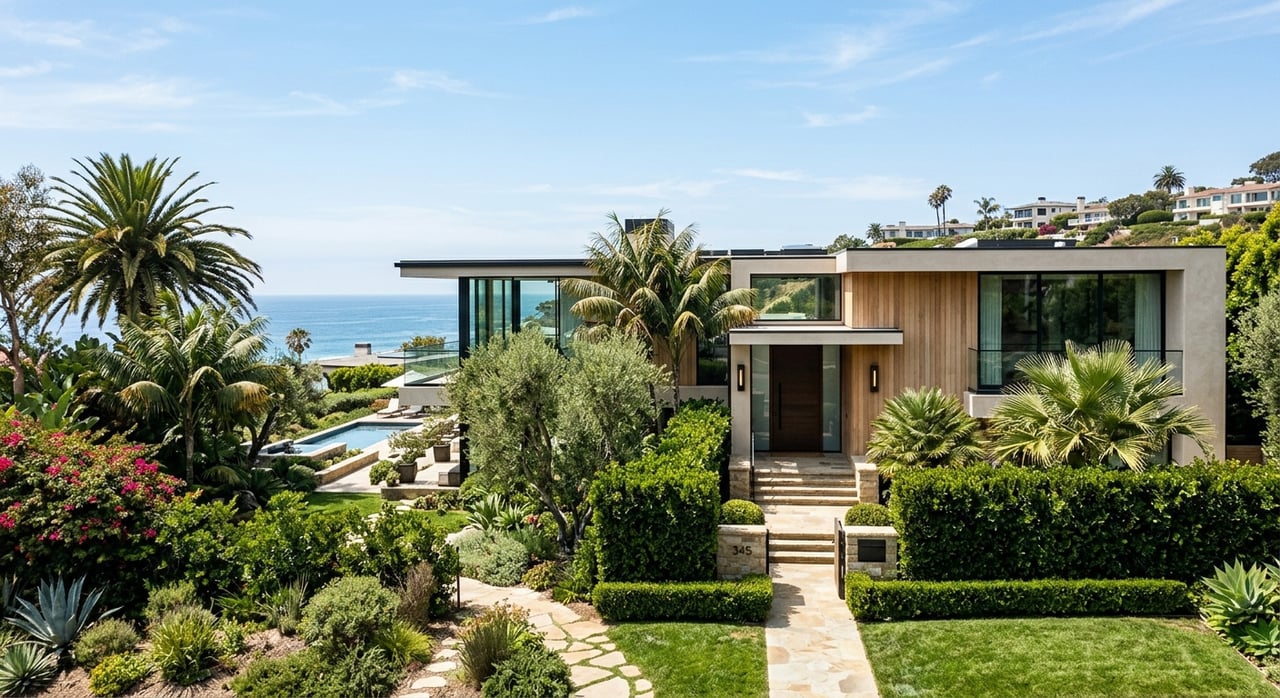
For many buyers, the waterfront side of Coconut Grove represents the most iconic version of the neighborhood. Bay-adjacent areas are closely tied to Biscayne Bay, marinas, parks, and a more open residential pattern.
City code helps shape that feeling. South Bayshore Drive receives special treatment, including a 100-foot minimum lot width and a 70-foot front setback for lots of 10,000 square feet or more, while the broader conservation framework also allows 1-acre estate lots intended for spacious residences, botanical gardens, and private non-commercial recreation.
That does not mean every waterfront block looks the same. It does mean many bay-adjacent properties can feel more spacious and privacy-oriented than homes closer to the village core.
The biggest lifestyle draw is direct proximity to the bay. If you picture morning walks near the water, easy access to marinas, or a home environment that feels more secluded and estate-like, this side of the Grove often aligns with that vision.
Regatta Park at Dinner Key Marina offers waterfront access, a boat ramp, picnic tables, parking, and bike racks. Peacock Park adds bay views and a boardwalk over the bay, and it sits next to the Coconut Grove Sailing Club, which is recognized locally as a sailing center with youth and adult classes, weekly races, boat-share programs, and major regattas.
In practical terms, waterfront-adjacent living often means prioritizing setting over immediacy. You may gain larger setbacks, a stronger sense of openness, and easier access to bayfront recreation, but your routine may be less centered on stepping out to shops or restaurants within a few minutes.
For some buyers, that is the point. The appeal is privacy, land, and a stronger connection to the water rather than a village-first lifestyle.
Coconut Grove’s inland and central pockets offer a different kind of value. Instead of direct bay frontage, these areas tend to appeal to buyers who want easier access to everyday destinations while still remaining within the Grove’s historic, low-rise setting.
This part of the neighborhood is anchored by daily-use amenities and local gathering spots. CocoWalk serves as the neighborhood’s open-air retail and entertainment core, while the Coconut Grove Farmers Market operates on Saturdays at Grand Avenue and Margaret Street, with the Vizcaya Village Farmers Market nearby on Sundays.
If your ideal routine includes coffee, errands, dining, or weekend market stops without building your day around a drive, inland pockets may feel more natural. Based on the area’s amenity pattern and corridor structure, these locations generally offer shorter trips to restaurants, shops, and transit.
The City of Miami trolley also connects Coconut Grove and Douglas Road Metrorail stations with parks such as Bayside Park, Armbrister Park, and Douglas Park, plus Grove Central. For buyers who want a more connected daily rhythm, that can be a meaningful advantage.
The inland side of the Grove usually reads as more village-oriented than estate-oriented. You still get the neighborhood’s mature greenery and established fabric, but the experience is often shaped more by convenience and walkability than by marina or bayfront access.
That can be especially attractive if you want Coconut Grove’s character without making the waterfront premium your top priority. For many buyers, the trade-off feels balanced and practical.
The most useful comparison is not simply water versus no water. In Coconut Grove, the better lens is often privacy and land versus convenience and walkability.
Waterfront-adjacent addresses generally suit buyers who prioritize bay views, sailing, marina access, larger setbacks, and a more estate-like setting. Central and upland pockets generally suit buyers who want faster access to CocoWalk, farmers markets, restaurants, and transit, along with a more village-centered routine.
Neither option is inherently better. The right fit depends on whether your lifestyle leans more toward retreat or connection, and whether your value equation is driven more by setting or by access.
Coconut Grove remains a high-priced market, but it is not moving at one speed. Current data shows meaningful differences between the broader 33133 ZIP code, Coconut Grove overall, and subareas within the neighborhood.
Redfin reports that the 33133 housing market had a median sale price of $1.65 million in May 2026, with homes taking an average of 102 days to sell. Its Coconut Grove neighborhood data shows a higher median sale price of $2.01 million, a median price per square foot of $979, and homes selling an average of 5.3% below list price in about 86 days.
Realtor.com data points to a notable premium on the more bay-adjacent side of the Grove. North Grove posted a median listing price of $2.715 million and 42 median days on market, with homes selling approximately at asking in what was characterized as a seller’s market.
Grove Center showed a median listing price of $1.87 million and 80 median days on market, with homes selling 8.58% below asking in what was characterized as a balanced market. Coconut Grove overall showed a median listing price of $2.795 million, 357 homes for sale, and a 95% sale-to-list ratio in May 2026.
Recent closings also show how much value can shift based on location and product type. A home on SW 30th Court sold for $1.13 million, a property on South Bayshore Drive sold for $2.85 million, and a South Bayshore Drive condo sold for $3.15 million.
These examples are not a full pricing model, but they do highlight an important truth. In Coconut Grove, the difference between one street and the next can be material.
If you are comparing Coconut Grove options, start by being honest about how you want your week to feel. The right purchase is not only about the home itself, but also about the pattern of life that surrounds it.
A few questions can help narrow your search:
For many buyers, this exercise quickly clarifies the field. You may find that you are not choosing between two equal versions of the Grove, but between two very different lifestyle expressions of the same neighborhood.
Because Coconut Grove has such visible variation in lot patterns, streetscapes, pricing, and pace, broad neighborhood averages only tell part of the story. A property’s exact position within North Grove, Center Grove, South Grove, or near Village Center can shape both your living experience and your long-term value profile.
That is where tailored, street-level guidance becomes especially important. In a market this nuanced, buyers benefit from an advisor who can help interpret not just the listing, but the micro-location behind it.
If you are considering a purchase or sale in Coconut Grove, the Defortuna Group offers discreet, white-glove guidance tailored to the neighborhood’s luxury market.
Stay up to date on the latest real estate trends.
Etiam non quam lacus suspendisse faucibus interdum. Orci ac auctor augue mauris augue neque. Bibendum at varius vel pharetra. Viverra orci sagittis eu volutpat.