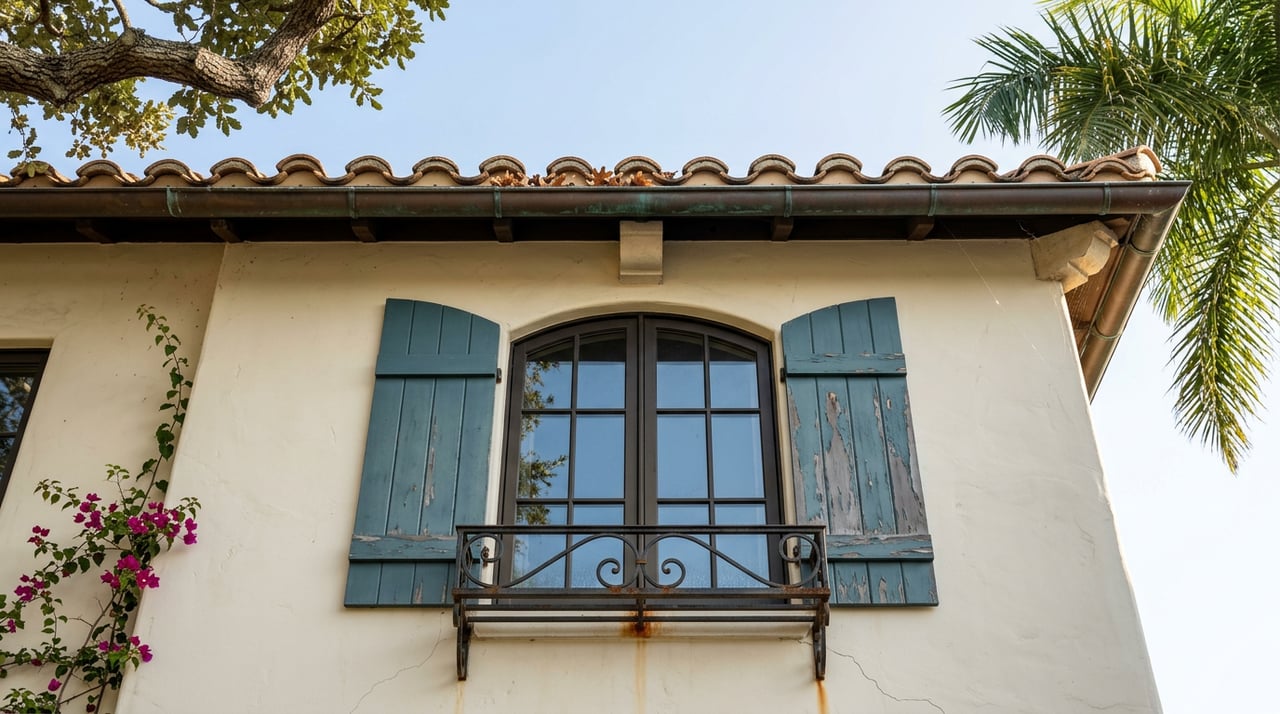
How Coral Gables Historic Renovation Tax Exemptions Work
August 20, 2026
August 20, 2026
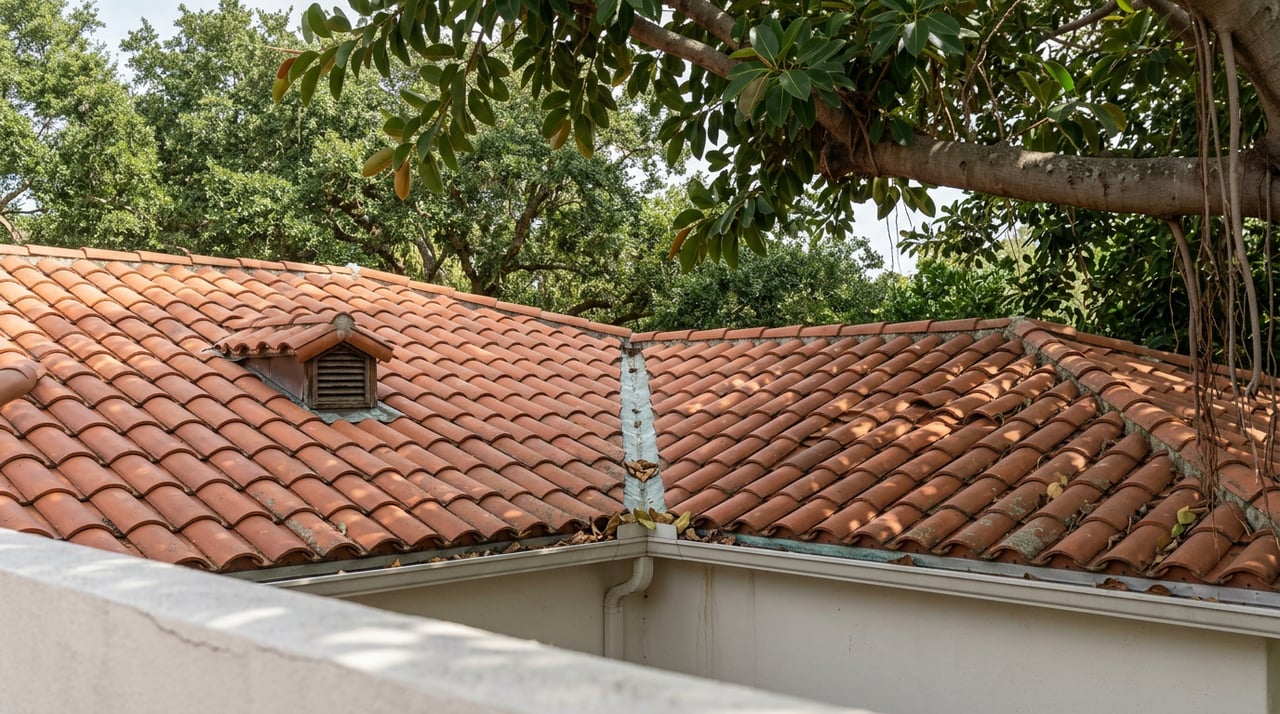
Ask a roofing contractor what a clay barrel-tile reroof costs in Coral Gables compared with the same job in a newer Miami-Dade subdivision, and the answer isn't close. Roofers who specialize in the city's historic districts put the labor premium at 25 to 40 percent over an equivalent job in a newer Miami-Dade neighborhood, driven by mortar-set tile systems, century-old roof framing that has to be reconciled with modern hurricane-code fastening, according to BGI Roofing.
That premium is the version of Coral Gables' preservation rules that gets repeated most often. Exterior work takes longer, costs more, and answers to a design review board most Miami neighborhoods don't have. What rarely gets said in the same breath is that the designation creating that friction also opens a specific, underused tax incentive: a program that freezes the assessed value increase from a qualifying renovation for a full decade. Buyers who price only the cost side of that trade are working from half the ledger.
Before any of this applies, it helps to know that not every older home in Coral Gables has the same historic status.
Age alone doesn't earn a landmark designation. The city's Historic Preservation program evaluates architectural significance, historical association, and craftsmanship.
Clay barrel tile generally has to go back on as clay barrel tile, or a close concrete equivalent if the structure can't bear the extra weight, and front-facing solar panels are frequently denied outright because they alter a facade the review exists to preserve.
Florida loosened one corner of this in 2026. House Bill 803, as described by United Architects, exempts residential work valued under $7,500 from needing a state building permit at all, but the carve-outs matter. It excludes electrical, plumbing, structural, mechanical, and gas work regardless of cost. It doesn't apply to property in a flood hazard area. And it does nothing to waive the Certificate of Appropriateness process on a designated exterior, since that review sits at the city level, separate from the state permit threshold. In practice, the $7,500 exemption is most useful for small cosmetic interior jobs on non-historic properties, not for anything that would let a buyer sidestep historic review.
Here's the part of the calculation that tends to get left out. Coral Gables, jointly with Miami-Dade County, administers a historic preservation ad valorem tax incentive, and the city's own preservation guide describes the mechanic plainly: it freezes ad valorem taxes at the rate paid prior to any improvements, for a full ten years.
That's a narrower benefit than "your taxes go down." It exempts the increase in assessed value your renovation itself creates, not the base property tax you'd owe regardless of any work. If you restore a designated home and the project adds meaningfully to its assessed value, the county and city tax you as though that increase hadn't happened, for ten years, as long as you follow the process correctly.
The process has its own discipline, too. An owner files a Preconstruction Review before any work begins, since the exemption can't be claimed retroactively once a project is finished. Part I of the City of Coral Gables ad valorem application requires a $500 check to the City of Coral Gables and a separate check to Miami-Dade County. Part II follows after the work wraps. The Miami-Dade County ad valorem tax exemption guide explains that the Property Appraiser adjusts the tax roll after Part II approval. Approval also comes with conditions, which is the trade the city is making: a decade of frozen assessment in exchange for a lasting commitment to preservation.
Two pieces of the current market shift how this trade-off should be weighed. Mortgage rates have held in a narrow band this year, with the 30-year fixed averaging 6.49 percent in June 2026 according to Freddie Mac data reported by the Keys Citizen, so financing cost isn't swinging the decision much on its own.
Insurance is the piece actually moving. Citizens Property Insurance's own March 2026 rate filing cut average multiperil rates 8.8 percent statewide, effective for policies renewing starting July 1, with steeper reductions reported across South Florida specifically. That eases a persistent carrying-cost pressure on older housing stock, but with a caveat roofers flag constantly: insurers price a historic home on whether its structural systems, and especially its roof, can pass a current wind mitigation inspection. The same reroof that costs 25 to 40 percent more in labor is often the thing standing between a designated property and an insurable policy at a reasonable rate. Seen that way, the renovation premium and the tax exemption aren't separate line items. They're two sides of the same underwriting decision.
Does the exemption cover my entire tax bill? No. It exempts the increase in assessed value your improvement creates, for up to ten years. The base property tax on the home as it stood before renovation still applies.
What should I check in an older home? Moisture, mold, and HVAC condition in century-old construction are worth a specialist's look regardless of a home's designation status.
If you're weighing a historic Coral Gables property against something newer nearby, the honest comparison isn't turnkey against hassle. It's two different cost structures: one visible at closing, and one that plays out over a decade. The DeFortuna Group works through that math with clients before an offer goes in, not after, coordinating with the city's preservation staff and trusted local contractors so a renovation budget reflects what a property will actually cost to own, and what it can give back. Schedule a private consultation to walk through a specific address.
This article is general information, not legal, tax or financial advice. Consult a qualified professional about your situation.
Stay up to date on the latest real estate trends.
Etiam non quam lacus suspendisse faucibus interdum. Orci ac auctor augue mauris augue neque. Bibendum at varius vel pharetra. Viverra orci sagittis eu volutpat.