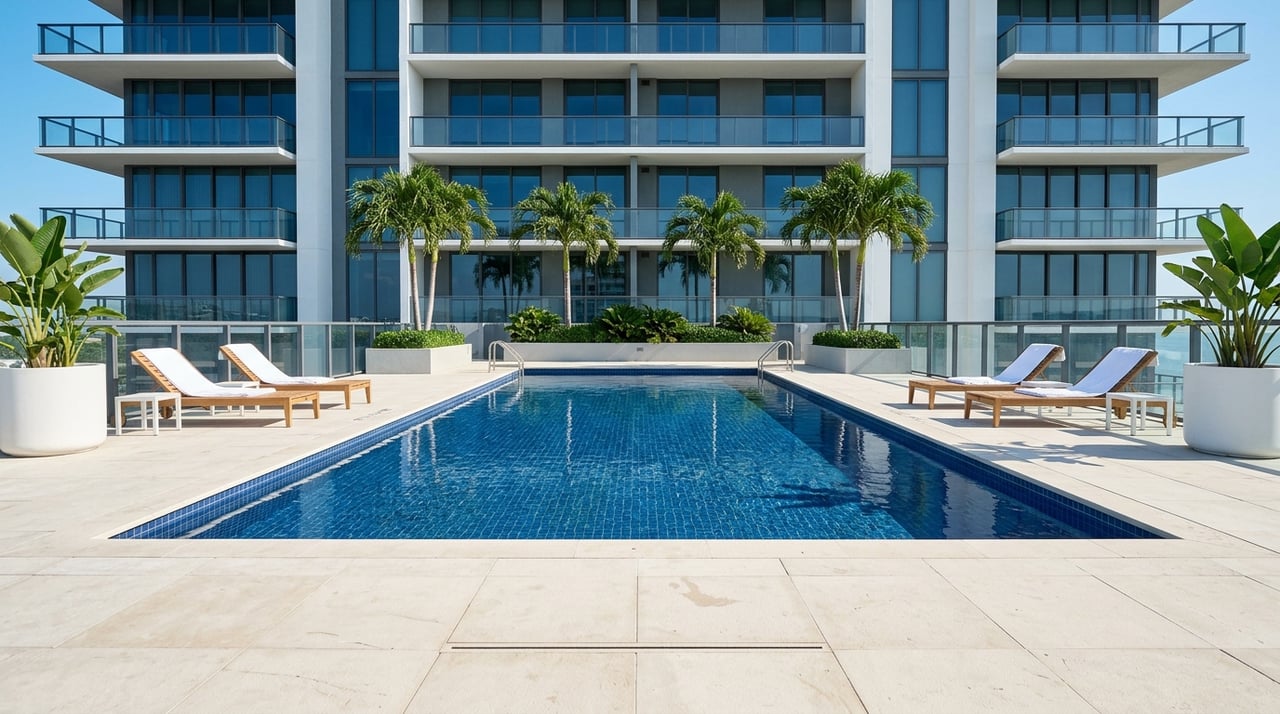
Brickell Miami Lifestyle Guide for Daily Living
June 4, 2026
June 4, 2026
Ever wonder what it actually feels like to live in Brickell once the skyline views become your everyday backdrop? If you are considering a move, a second home, or a luxury condo investment here, you likely want more than a highlight reel. You want to know how the neighborhood moves, what daily routines look like, and whether the pace fits your life. Let’s take a closer look at what day-to-day life in Brickell really feels like.
Brickell is one of Miami’s most urban neighborhoods, and that shapes nearly every part of daily life. Official neighborhood descriptions frame it as an energetic urban core and financial district, with restaurants, bars, shopping, attractions, and bayfront parks all packed into a dense area.
That means your day can feel highly efficient. You are not driving across long stretches of suburbia for coffee, errands, dinner, or a workout. In many cases, those stops are stacked into the same few blocks or connected by transit.
One of the biggest differences between Brickell and many other Miami neighborhoods is how much movement happens without a car. Metromover is free, runs seven days a week, and serves 21 stations across downtown Miami, Omni, and Brickell, including the Brickell Loop.
The City of Miami trolley adds another layer of convenience. It connects Brickell’s financial district with residential blocks, parks, Brickell Key, Brickell City Centre, and the Brickell Metrorail Station. Together, those options make it realistic for many residents to cut down on car trips.
In practical terms, that can mean walking to lunch, taking Metromover to a meeting or event downtown, and using the trolley to connect to other parts of the neighborhood. Brickell often feels like a vertical live-work-play district because so much of your routine can happen within a compact area.
For buyers used to car-dependent neighborhoods, this tends to be one of Brickell’s biggest lifestyle shifts. You may still keep a car, but you are less tied to it for every part of the day.
Brickell is not just a place for dining out and city views. It also supports the practical side of everyday life, which matters if you plan to live here full-time or spend extended periods in residence.
Brickell City Centre and Mary Brickell Village act as two of the neighborhood’s main anchors. Brickell City Centre is known as a three-level shopping, dining, and entertainment destination, while Mary Brickell Village combines shops, services, and dining in one central area.
Mary Brickell Village includes service-oriented businesses such as Publix, LA Fitness, Massage Envy, Regions Bank, and Total Nutrition. That mix helps explain why living in Brickell can feel streamlined. Grocery runs, wellness appointments, banking, and workouts can often fit easily into your day.
This is part of Brickell’s appeal for luxury condo buyers and seasonal residents. The neighborhood supports both elevated lifestyle choices and ordinary routines without asking you to leave the area for every small task.
Dining in Brickell is not reserved for special occasions. It is part of the neighborhood’s normal rhythm, whether you are grabbing a weekday lunch, meeting friends for dinner, or making a late-night plan.
City and destination pages point to a broad mix of casual bites, sushi, rooftop dining, waterfront restaurants, steakhouses, and neighborhood bars. On Brickell Key, the dining scene becomes a bit more intimate, with smaller-format options like Naoe’s five-seat omakase counter and Brasserie Brickell Key’s Italian bistro.
That variety gives Brickell a layered feel. During the day, the area leans businesslike and efficient. By evening, it becomes more social, with restaurants and bars filling in around the office towers and residential buildings.
For many residents, that balance is exactly the point. Brickell offers city energy without requiring you to leave the neighborhood to find dining and nightlife.
Despite Brickell’s high-rise identity, outdoor living still plays a meaningful role in daily life. If you want to walk, bike, or get fresh air as part of your routine, there are several easy options nearby.
The Underline’s Brickell Backyard is one of the clearest examples. Miami-Dade County describes it as a half-mile segment with walking and biking paths, an outdoor gym, butterfly gardens, and community spaces that host health, cultural, and educational programming.
This gives Brickell more day-to-day flexibility than some people expect. Your routine can include a morning walk, a bike ride, or time outdoors without needing to plan a major outing.
For buyers who want an urban lifestyle but still value wellness and movement, that matters. It adds a more livable, grounded dimension to a neighborhood often known first for towers and traffic.
Brickell also offers a different kind of outdoor experience through Simpson Rockland Hammock Preserve Park. The City of Miami describes it as a natural area with walking trails, picnic tables, and a natural forest community, and as one of the last remnants of the historic Brickell Hammock in Miami’s urban core.
That is an important contrast within the neighborhood. Brickell is polished and modern, but it also has pockets that feel quieter and more rooted in Miami’s natural landscape.
For some residents, these spaces become a reset button during the week. They give you a break from glass towers, busy intersections, and the faster pace of the central district.
If you are deciding whether Brickell might feel too dense, this part of the neighborhood is worth noting. The setting is urban, but not without breathing room.
Water is part of Brickell’s atmosphere, even though this is not a beach neighborhood. The City of Miami completed a seawall and baywalk project behind First Presbyterian Church on Brickell that includes baywalk connectivity and a ramp for community access and safety.
That project reinforces something residents already value about the area. Waterfront access is part of the lived experience, whether you are walking near the bay, heading out for dinner, or simply enjoying open views woven into the neighborhood.
If you like Brickell’s location but want a more insulated setting, Brickell Key adds a different layer to the lifestyle. It sits behind Brickell Key Bridge over Brickell Bay, is served by the Brickell trolley, and remains closely connected to the main neighborhood.
Even so, Brickell Key tends to feel more separated and quieter than Brickell proper. You still have access to the same compact urban ecosystem, but with a more tucked-away waterfront atmosphere.
This distinction matters if you are comparing condo options. Brickell proper often feels more immediate, active, and integrated with the city’s daily flow. Brickell Key offers a softer edge while keeping downtown and Brickell amenities close.
For buyers considering premium condominium inventory, this is often one of the most useful lifestyle comparisons to make.
Brickell stands apart from nearby Miami neighborhoods because of its density, vertical scale, and transit use. If you are choosing among several luxury markets, understanding those differences can help you narrow the right fit.
Coconut Grove is described as leafy, laid-back, bayside, and bohemian, with quiet residential streets, shoreline parks, and boating as part of daily life. Brickell feels more vertical and more transit-driven.
If you want a high-rise lifestyle with everything close by, Brickell may feel more aligned. If you want a greener, lower-scale setting, Coconut Grove may feel more natural.
Key Biscayne is framed as an island paradise with sandy beaches, nature preserves, boating, water sports, Crandon Park, and Bill Baggs Cape Florida State Park. Brickell is less beach-resort and more urban waterfront.
You are choosing between two very different day-to-day experiences. Key Biscayne emphasizes outdoor island living, while Brickell centers on convenience, density, and access.
Miami Beach, especially around Ocean Drive, leans more heavily into beachside strolls, rooftop cocktails, live music, outdoor exercise, and late-night nightlife. Brickell has dining and nightlife too, but its identity is more tied to towers, convenience, and proximity to downtown.
In other words, Brickell feels more like a residential business district with lifestyle perks. Miami Beach feels more oceanfront and entertainment-driven.
Brickell often works best for people who want an amenity-rich, high-density routine. You may appreciate being able to handle errands close to home, meet friends for dinner nearby, and use transit to reach downtown cultural destinations like PAMM, Frost Science, Kaseya Center, Bayfront Park, and Bayside Marketplace.
It can be especially appealing if you value a polished condo lifestyle, efficient movement, and a neighborhood where business, dining, wellness, and waterfront access overlap. If you want more greenery or a more beach-centered rhythm, nearby areas like Coconut Grove or Key Biscayne may feel more aligned.
At its core, Brickell feels compact, vertical, and connected. Your day is often shaped by proximity: restaurants downstairs, errands a short walk away, transit close at hand, and downtown destinations within easy reach.
That does not mean every block feels the same. Some parts are busier and more energetic, while areas like Brickell Key offer a calmer, more removed pace. The right fit depends on whether you want to be in the center of the motion or just beside it.
If you are evaluating Brickell as a primary residence, pied-à-terre, or investment, lifestyle fit matters as much as the property itself. For a tailored perspective on Brickell condos and Miami’s premier urban neighborhoods, Defortuna Group can help you evaluate the options with discretion and local insight.
Stay up to date on the latest real estate trends.
Etiam non quam lacus suspendisse faucibus interdum. Orci ac auctor augue mauris augue neque. Bibendum at varius vel pharetra. Viverra orci sagittis eu volutpat.