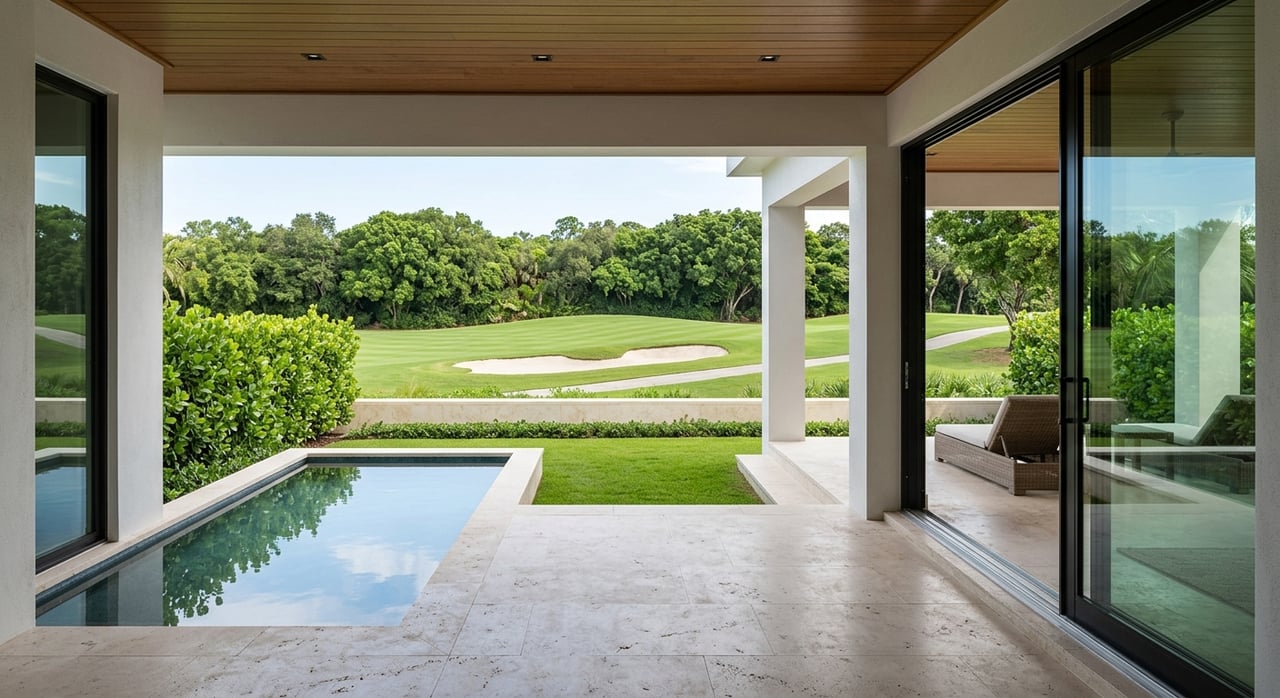
Coral Gables Golf Course Living & High Pines Homes
April 2, 2026
April 2, 2026
If you picture golf course living as quiet green views, early tee times, and a polished daily routine, Coral Gables deserves a closer look. This part of Miami-Dade blends historic golf roots with a service-rich city setting, which gives you more than just a home near a fairway. If you are weighing Coral Gables or nearby High Pines, this guide will help you understand where true golf-adjacent living exists, what access really means, and which details matter before you buy. Let’s dive in.
Coral Gables has a long-standing connection to golf, and that identity is built around a few clear anchors. According to the City of Coral Gables golf resources, the main golf destinations are Biltmore Golf Course, Granada Golf Course, and the private Riviera Country Club.
That distinction matters when you start comparing homes. Not every property marketed as "near golf" offers the same view, access, or long-term lifestyle. In Coral Gables, the difference between being golf-front, golf-adjacent, and simply close to a club can be significant.
The Biltmore Golf Course at 1210 Anastasia Avenue is a Donald Ross design from 1925. It features 18 holes, a par-71 layout, and approximately 6,700 yards.
The city notes that Biltmore also hosts the Junior Orange Bowl Golf Tournament, identified as the nation’s largest junior golf tournament. For buyers, Biltmore represents one of the most recognizable golf settings in Coral Gables, with a strong historic identity and year-round local appeal.
The Granada Golf Course at 2001 Granada Boulevard offers a different experience. It is a nine-hole, par-36 course that opened in 1923 and is described by the city as the oldest operating nine-hole course in Florida.
Granada offers memberships, tournaments, lessons, and separate resident and nonresident rate schedules. If you want proximity to a more compact municipal course, Granada can be an important part of the conversation.
Riviera Country Club at 1155 Blue Road is a private 18-hole course designed in 1924. The club describes itself as a private family club with about 1,000 members, along with golf, tennis, a pool, dining, and a full social calendar.
Riviera is a different category from the city courses. It is private, and its materials note an extensive wait list, so proximity to the club should not be confused with guaranteed access.
Coral Gables did not develop around golf by accident. The city’s Parks & Open Spaces Handbook explains that George Merrick’s original plan included a country club section, residential sections, and land reserved for golf courses and recreation.
That planning history still shows up in subdivision names used by the city, including Coral Gables Country Club Section, Country Club Section Part Five, Riviera Country Club, and Riviera Section 2. For you as a buyer, that means some parts of Coral Gables have a deeper and more direct connection to golf-oriented residential planning than others.
In practical terms, the strongest golf-front opportunities are generally tied to the areas surrounding these established courses, especially where lot placement actually backs to the fairway or captures a direct green view. A home that is one or two blocks away may still enjoy convenience, but it can be a very different ownership experience.
High Pines often enters the conversation because of its location near Coral Gables amenities. Based on Miami-Dade annexation materials, the High Pines and Ponce-Davis area is a nearby residential enclave that has appeared in Coral Gables annexation discussions.
Those records show that residents in that area were presented with hypothetical discounted resident rates and priority access at city recreational facilities, including Biltmore and Granada. That is useful context, but it does not mean every High Pines address automatically comes with Coral Gables city benefits.
For that reason, High Pines is best understood as an amenity-adjacent location rather than a classic fairway-front district. If you are considering a home there, you should verify the exact address, jurisdiction, and any assumptions about city services or golf-related resident pricing before making a decision.
One reason golf living in Coral Gables stands out is that the lifestyle extends beyond the course itself. The city homepage highlights lush green avenues, historic landmarks, public art, businesses, and dining, while the parks department notes that Coral Gables includes more than 60 parks and open spaces.
That broader setting can shape your day-to-day experience as much as the fairway view. You may be drawn to golf, but you are also buying into a city with established recreational infrastructure, walkable civic character in many areas, and a strong sense of place.
The city’s golf facilities also offer more than tee times. According to the city’s golf overview, amenities can include pro shops, locker rooms, cart rentals, restaurants, memberships, tournament outings, and lesson programs.
For some buyers, that means the appeal is social as well as scenic. Your routine may include lessons, junior golf, casual dining, or club events, not just a Saturday morning round.
This is one of the most important distinctions to understand before you buy. Coral Gables offers both municipal golf options and a private club option, but the access model is not the same.
Biltmore and Granada are city-linked facilities with posted resident and nonresident pricing, and Granada also offers memberships. Riviera is a private club, and the club’s own materials describe a wait list and membership structure separate from simply owning nearby real estate.
Before you move forward on any golf-adjacent purchase, clarify:
The key point is simple: proximity does not equal access.
The best golf views often come with trade-offs. Research cited in a golf course property valuation guide notes that homes with strong course views may also experience more visibility from golfers, more activity near cart paths, and less backyard seclusion, especially near tees and greens.
That does not make those homes less desirable, but it does mean you should evaluate the exact lot carefully. Setbacks, landscaping, orientation, and the home’s position along the course can all affect how private the outdoor space feels.
When touring a property, it helps to look beyond the headline view and ask practical questions such as:
Golf-course real estate can command a premium, but the premium is not automatic. A review in the Journal of Park and Recreation Administration found that value premiums vary widely by proximity and course type, and homes one or two blocks away without a view tend to see much smaller premiums.
The same research also points out an important risk factor: if a course closes or changes significantly, nearby homeowners can face substantial losses. That is why the quality, stability, and long-term outlook of the course itself matter just as much as the home.
The National Golf Foundation estimates an average golf premium of about 15% for homes with direct frontage or immediate proximity to a course. Still, that is a national estimate, not a Coral Gables-specific rule.
For you, the takeaway is to think in layers. Direct frontage, meaningful views, course upkeep, and the strength of the surrounding neighborhood all shape long-term value more than the word "golf" in a listing description.
If you are seriously considering golf course living in Coral Gables or nearby High Pines, due diligence should start early. These homes can offer a compelling mix of green space, prestige, and lifestyle, but the details matter.
Focus on confirming the following before you move ahead:
A careful review upfront can help you separate true golf-front value from simple proximity.
For many buyers in the luxury market, Coral Gables offers a distinctive mix that is hard to replicate. You get established golf amenities inside a broader urban environment known for historic character, recreational offerings, and polished daily convenience.
That balance is especially important if you want more than a resort setting. Coral Gables lets you enjoy golf-centered living within a city that also supports dining, recreation, and year-round use, while nearby High Pines can appeal to buyers who value access to the area’s lifestyle without expecting classic fairway-front placement.
If you are exploring golf-adjacent homes in Coral Gables or evaluating how a property’s golf setting may affect value, privacy, and buyer appeal, a tailored strategy matters. For discreet guidance on buying or selling in this segment, Defortuna Group offers a relationship-driven approach tailored to Miami’s luxury residential market.
Stay up to date on the latest real estate trends.
Etiam non quam lacus suspendisse faucibus interdum. Orci ac auctor augue mauris augue neque. Bibendum at varius vel pharetra. Viverra orci sagittis eu volutpat.