Strategic Guide to Selling a Historic Coral Gables Home
April 23, 2026
April 23, 2026
If you own a historic home in Coral Gables, getting it ready for sale is not the same as preparing a typical property. The features that make your home special, from original windows to a shaded loggia or coral rock details, are often the same features buyers value most and the city may expect you to preserve. With the right plan, you can protect the home’s character, avoid last-minute surprises, and present it in a way that supports both its history and its market appeal. Let’s dive in.
In Coral Gables, historic homes sit in a market where architecture, site design, and authenticity carry real weight. The city has had a local historic preservation program since 1973, and local designation generally begins at 50 years old based on historical, cultural, aesthetic, or architectural significance, according to the City of Coral Gables historic preservation program.
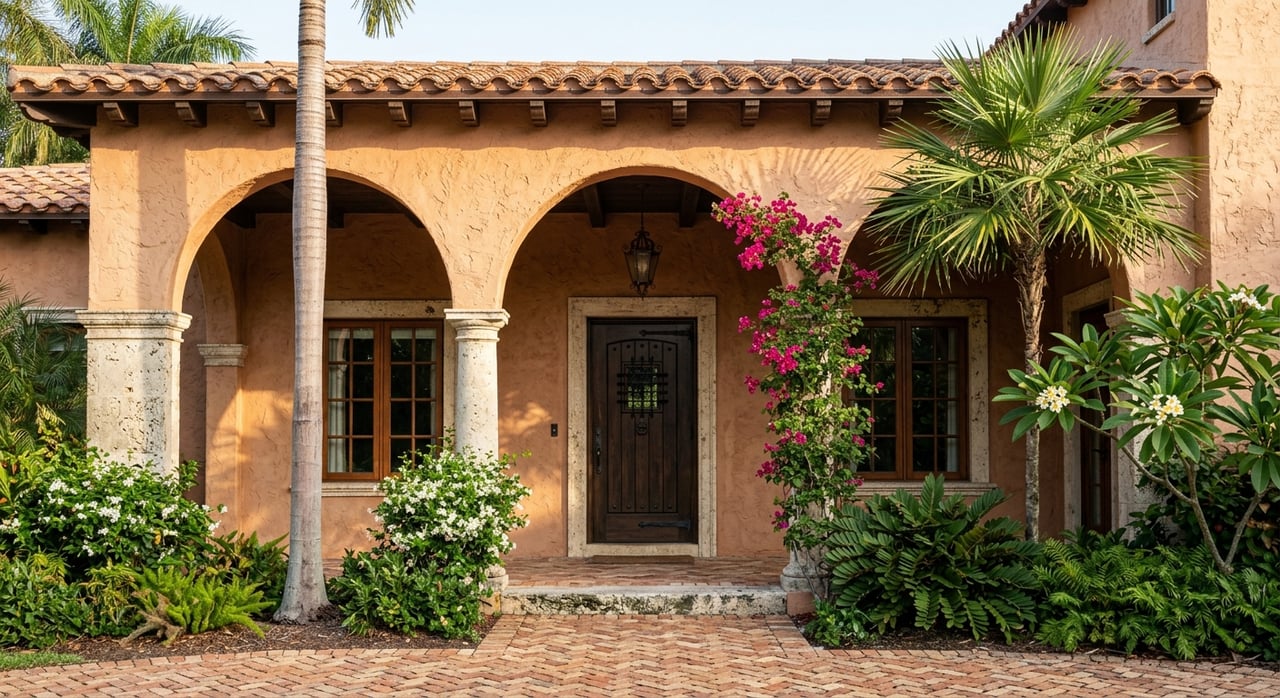
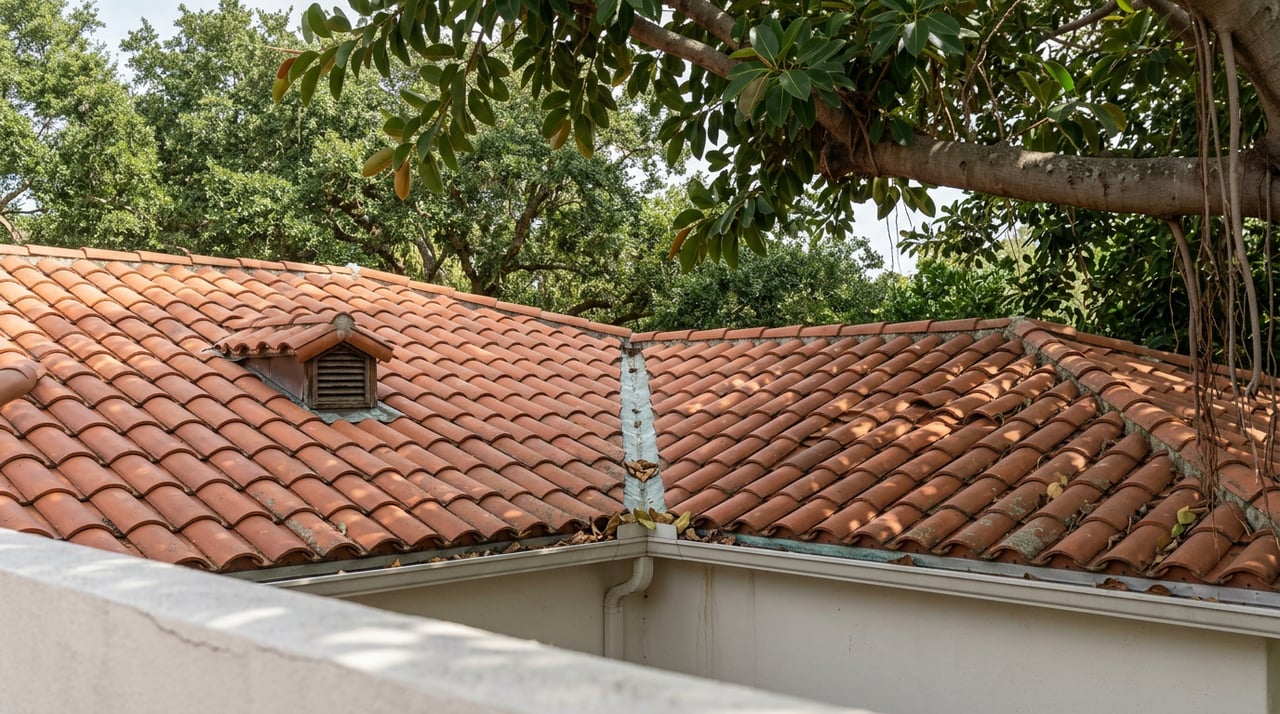
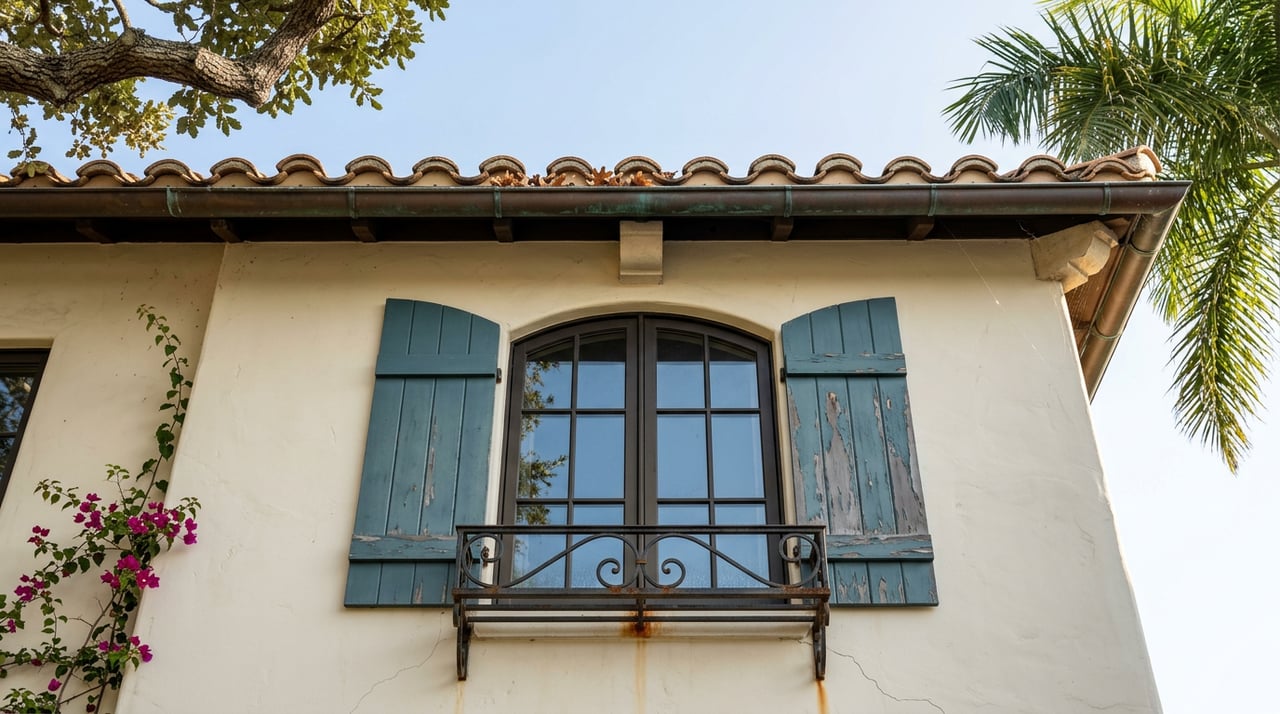
That matters when you prepare for market. A rushed update that changes original proportions or removes defining details can weaken the very character buyers are paying for. The city’s preservation guide points to features such as barrel tile roofs, sash windows, double-leaf wooden doors, open loggias, porte cocheres, wing walls, stucco, and coral rock as important parts of a home’s historic identity.
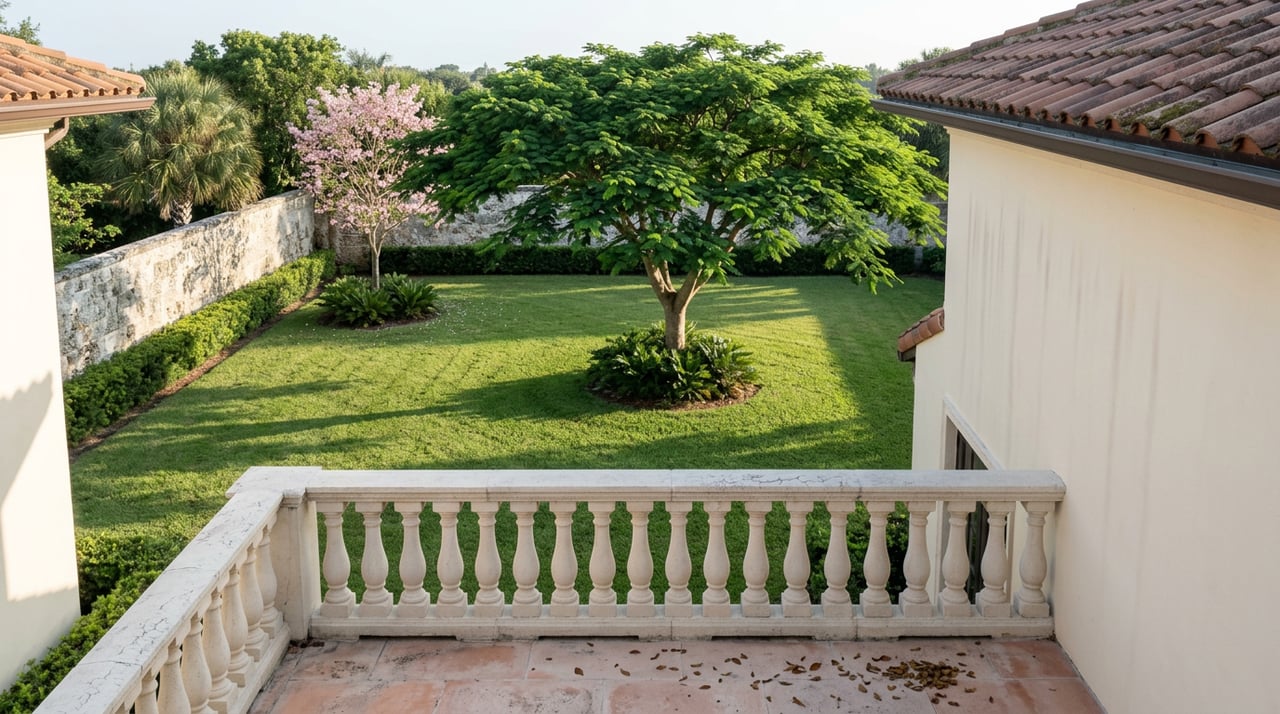
The setting matters too. In Coral Gables, the site is part of the story, including setbacks, walls, driveways, fountains, courtyards, trees, and open green space. That means curb appeal should feel intentional and rooted in the home’s architecture, not staged like a generic listing.
Before you paint, replace, remove, or rebuild anything, confirm exactly what you own from a preservation standpoint. If your property is listed in the Coral Gables Register or sits in a historic district, exterior alterations may require a Certificate of Appropriateness before building permits can be issued, as outlined in the city’s preservation guide.
The city distinguishes between standard and special COAs. Special COAs are used for demolition, removal, reconstruction, alteration, or new construction. Some ordinary maintenance may not require review, but sellers should verify the scope before starting work.
If your status is unclear, that should be resolved early. Coral Gables’ development review process includes historical significance determinations, which can affect how the city evaluates major changes or demolition questions.
One of the most important pre-listing steps is checking the paper trail. Buyers of historic homes often want clarity on what is original, what has been altered, and whether prior work was approved.
This is especially important in Coral Gables, where the permitting and review process is formal and electronic rather than informal or walk-in based. The city notes that permit applications and plan submittals must be submitted electronically, and many development applications begin with a required preapplication conference.
For larger exterior projects, the city may expect plans, elevations, architectural details, and a project history that includes prior approvals and conditions from boards such as the Historic Preservation Board, Planning and Zoning Board, and Board of Architects. If a seller waits until the listing is live to sort through permit questions, delays can follow.
A clean document package can make a historic listing easier for buyers to evaluate. Even if you are not applying for incentives, the paperwork required for Miami-Dade’s historic tax exemption application offers a strong model for what to gather.
Your file may include:
This kind of file helps a buyer understand what has been restored, what has been approved, and what may still require review. It also signals that the home has been managed thoughtfully.
When historic homes are prepared well, the work is often subtle. Both the Coral Gables preservation guidance and the National Park Service standards favor retaining historic materials, repairing rather than replacing when feasible, and matching replacement features to the old in design, color, texture, and, where possible, materials.
That approach is especially relevant before listing. Instead of overcorrecting with aggressive cosmetic work, focus on improvements that strengthen condition while respecting original character. The city guide also cautions against destructive treatments such as sandblasting and warns that incompatible changes, including altering roof pitch or enclosing a loggia, can undermine historic character.
The National Park Service’s rehabilitation standards also recommend the least invasive approach that still preserves the building’s identity. For sellers, that usually means targeted repair, careful finish updates, and restraint.
The best updates for a historic Coral Gables home are usually the ones buyers notice as quality, not as disruption. In many cases, that means solving deferred maintenance and improving function without erasing period details.
A practical pre-listing focus often includes:
The National Park Service also notes in its sustainability planning guidance that historic buildings often already include inherently sustainable features such as shutters, storm windows, awnings, porches, vents, skylights, light wells, and transoms. Before making more invasive changes, it makes sense to evaluate how these original features already support comfort, light, and ventilation.
Window replacement is one of the most common seller questions, and it deserves caution. In this market, exterior changes on designated properties usually require review, and if replacement is unavoidable, the new feature should match the old as closely as possible in design and visual qualities under the city’s preservation guidance.
The same principle applies to doors, roofing materials, vents, arches, and exterior openings. A visually incompatible replacement may seem minor in isolation, but buyers who appreciate historic homes often notice when original character has been diluted.
If you are considering visible changes, it is wise to confirm approval requirements before ordering materials or hiring contractors. That simple step can save time, money, and unnecessary rework.
A historic Coral Gables property is more than the structure itself. The city’s preservation guide treats walls, courtyards, fountains, driveways, plants, trees, and green space as part of the historic setting.
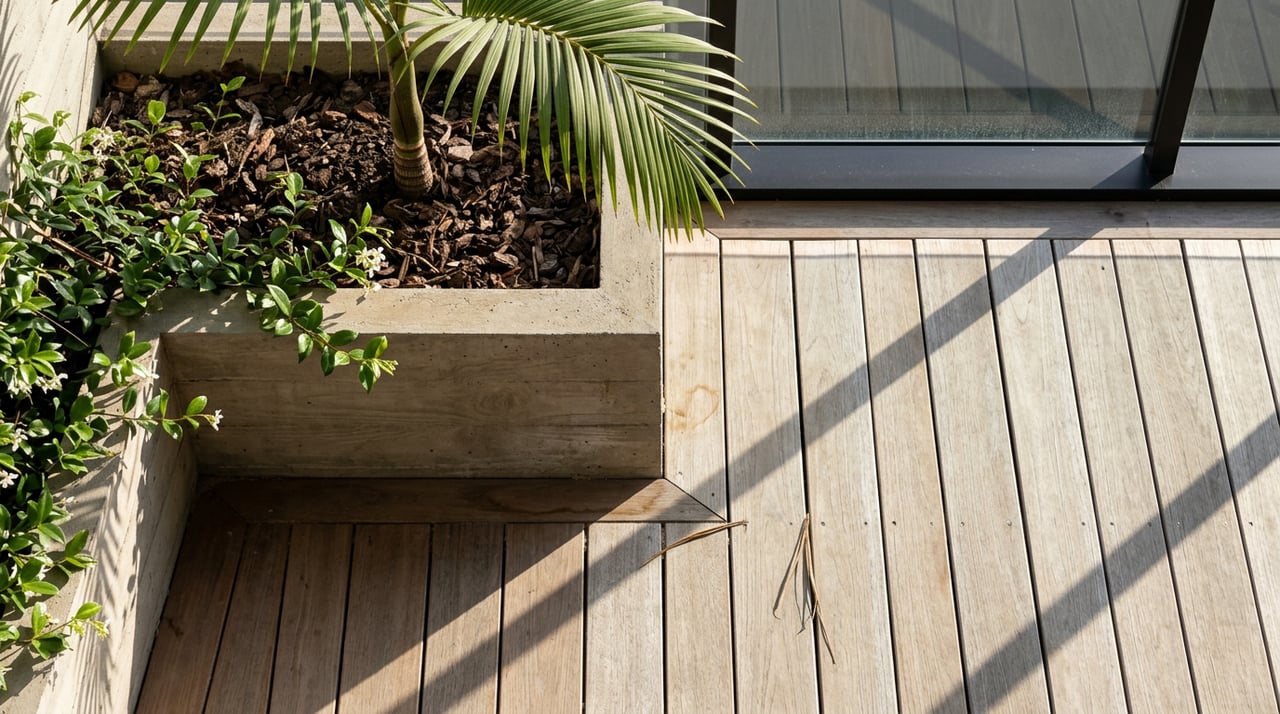
That gives sellers a clear opportunity before launch. Clean masonry, maintain mature landscaping, define pathways, and highlight outdoor rooms so the property reads as a complete architectural composition. In a market like Coral Gables, thoughtful exterior presentation can reinforce the home’s story before a buyer even walks inside.
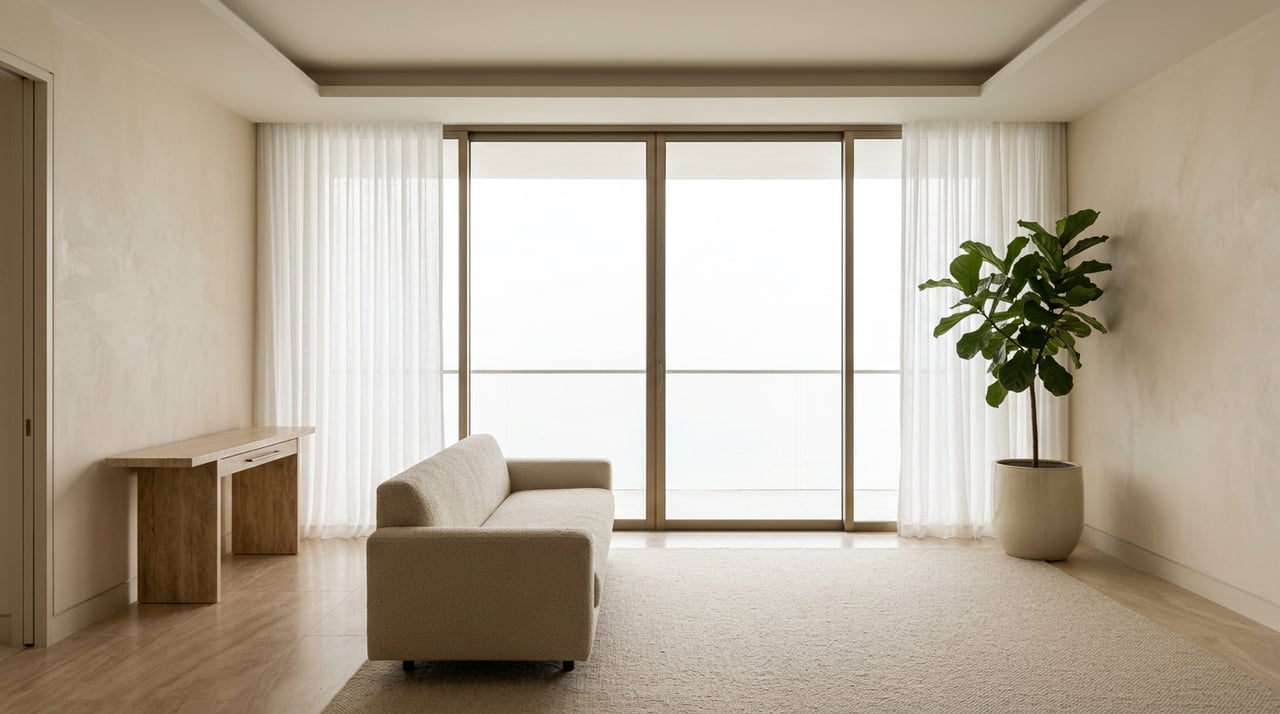
Historic homes usually show best when staging supports the architecture instead of competing with it. The goal is to help buyers see volume, craftsmanship, and flow.
That means keeping sightlines open to arches, loggias, original floors, ceiling height, natural light, and connections to outdoor spaces. Furnishings should feel secondary to the home itself, with clutter removed and personal items edited back.
This strategy also aligns with current buyer behavior. In the National Association of Realtors’ 2025 staging report, 83% of buyers’ agents said staging makes it easier for buyers to visualize a future home, and 29% said staging led to a 1% to 10% increase in dollar value offered.
NAR’s staging guidance also emphasizes cleaning, decluttering, repairing, depersonalizing, and updating so buyers can imagine the home as their own. For a historic Coral Gables residence, that often means restraint, symmetry, and a clear visual hierarchy that lets period features lead.
A historic home needs more than beautiful photography. It also benefits from a concise heritage narrative that helps buyers understand what is authentic, what has been restored, and what has already been reviewed or approved.
A strong listing package may include the year built, architect if documented, original materials, major restorations, permits or COAs, and any tax-incentive approvals. Professional photography, video, and virtual tours can then show how those details live in the home today.
For high-value properties, this combination of documentation and presentation can be especially effective. It reduces uncertainty, supports pricing conversations, and helps qualified buyers engage with both the home’s condition and its legacy.
If you are thinking about even moderate exterior work, timing matters. Coral Gables’ process can involve electronic submissions, preapplication review, staff plan review, and board hearings depending on the scope.
The city notes that historic plan-review hours are Mondays and Wednesdays from 9 a.m. to noon, and the Historic Preservation Board meets every third Wednesday at 4 p.m. at City Hall, according to its permit and application page. For some Board of Architects submittals and demolition permits, the city also requires a tree survey and tree protection plan, as outlined by the Board of Architects.
In short, historic pre-sale work should not begin at the last minute. The earlier you clarify scope, approvals, and documentation, the smoother your path to market is likely to be.
Selling a historic Coral Gables home calls for more than polish. It requires a clear understanding of what gives the property value, what the city may review, and how to present the home with accuracy and care.
When preparation is handled thoughtfully, you can protect the home’s architectural integrity while making it easier for buyers to appreciate its condition, authenticity, and long-term appeal. If you are planning to bring a historic Coral Gables property to market, the right strategy starts well before the first showing. For discreet, tailored guidance on positioning and presenting your property, schedule a private consultation with the Defortuna Group.
Stay up to date on the latest real estate trends.
Etiam non quam lacus suspendisse faucibus interdum. Orci ac auctor augue mauris augue neque. Bibendum at varius vel pharetra. Viverra orci sagittis eu volutpat.