Coral Gables vs High Pines: Comparing Two Distinct Micro-Markets
May 7, 2026
May 7, 2026
If you are deciding between Coral Gables and High Pines, the challenge is not just price. It is understanding how two nearby areas can offer very different ownership experiences, from architecture and zoning to walkability and resale dynamics. This guide breaks down the key micro-market differences so you can evaluate which setting better fits your priorities in Miami-Dade. Let’s dive in.
Coral Gables is an incorporated city with its own Commission-Manager government. That matters because the city has its own planning and design framework, which helps shape everything from architecture to public spaces.
High Pines is treated in county records as part of unincorporated Miami-Dade. In practical terms, county zoning governs development standards there, including minimum lot size, setbacks, lot coverage, floor-area ratio, and height.
For you as a buyer or seller, this difference can be meaningful. Coral Gables tends to feel more design-controlled at the city level, while High Pines may appeal if you are focused on lot potential and county-governed redevelopment flexibility.
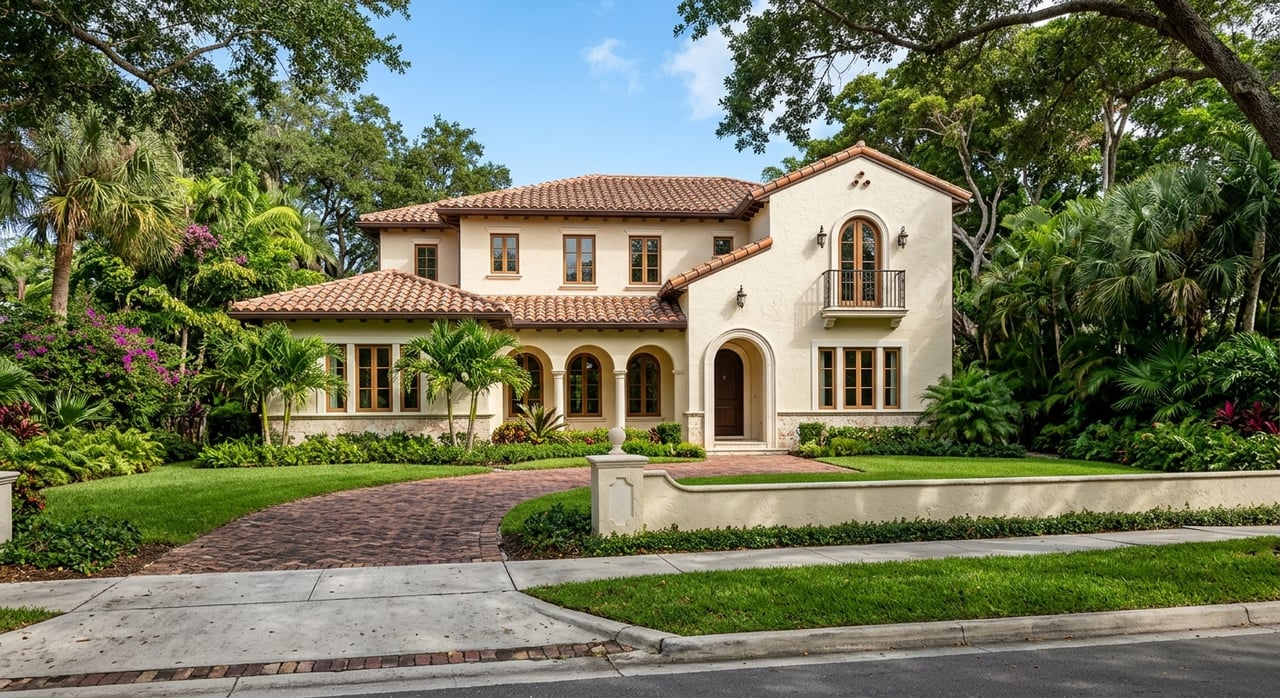
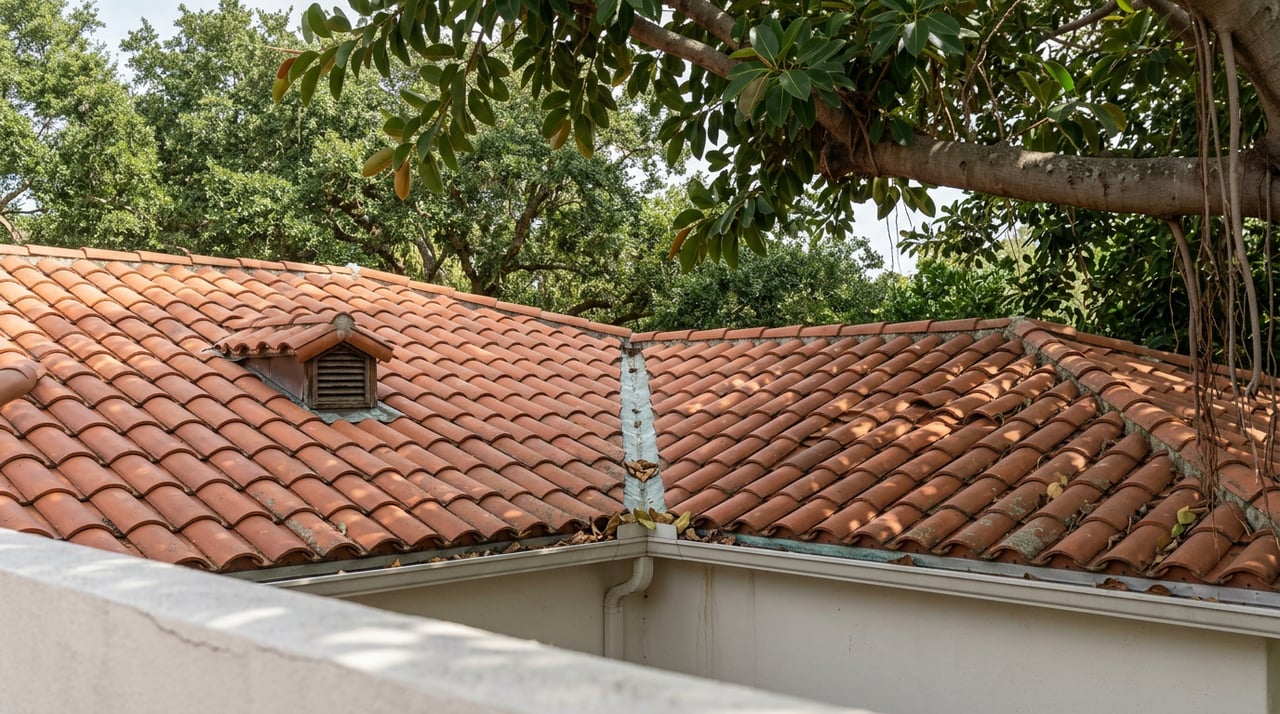
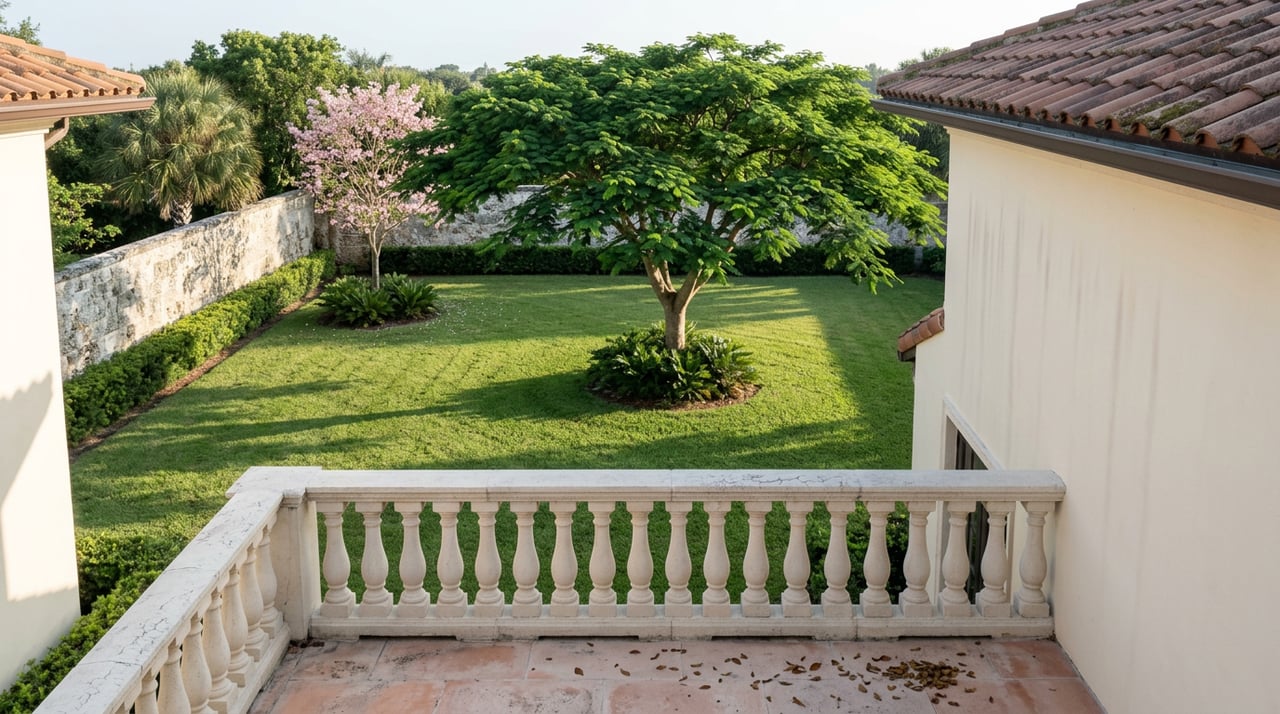
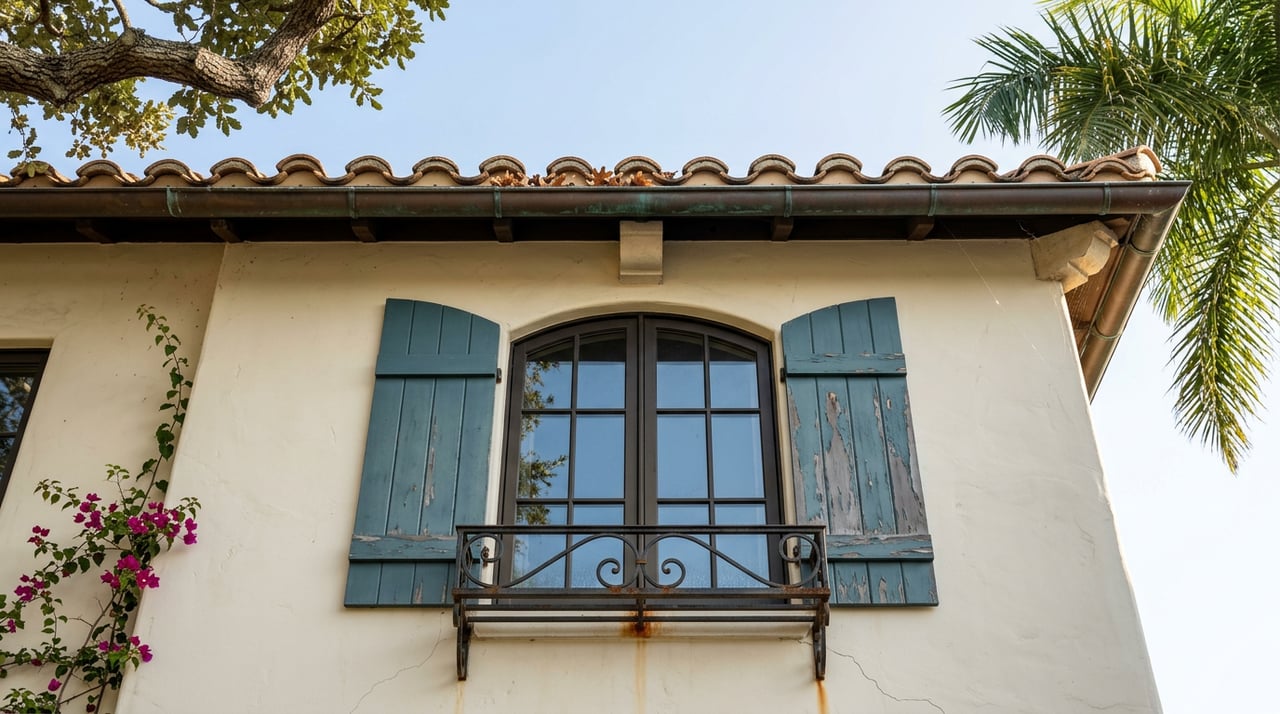
Coral Gables is closely tied to a preserved Mediterranean and Spanish Revival character. The city’s Board of Architects helps keep new construction and renovations aligned with that traditional aesthetic, and the zoning code connects Coral Gables Mediterranean Architecture to a bonus program.
Historic landmarks also reinforce how central Mediterranean Revival and coral-rock architecture are to the city’s identity. On top of that, the city’s tree-canopy program includes more than 38,000 trees, supporting the lush, established streetscape many buyers associate with Coral Gables.
If you value visual consistency and a recognizable architectural identity, Coral Gables offers a more uniform experience. That consistency can be part of the area’s long-term appeal.
High Pines presents differently. Based on recent listings, the area shows a mix of new construction and major rebuilds on lots around 8,330 square feet, 9,375 square feet, and 12,500 square feet, along with a platted 75-by-125 lot on an interior street.
That pattern suggests a market where lot value and redevelopment potential often play a major role. Instead of one dominant architectural style, you may find more variation in home design and more emphasis on what a site can become over time.
For some buyers, that is a major advantage. If you are looking for optionality, whether for renovation, expansion, or new construction, High Pines may feel more flexible than a tightly curated historic environment.
Lot size is one of the clearest practical differences between these micro-markets. Coral Gables has a broad range overall, from an official city notice in Riviera referencing a 75-by-100 lot to a current Coral Gables Section listing on a 19,750-square-foot lot.
High Pines also shows meaningful lot sizes, but recent listing activity points more directly to redevelopment-oriented opportunities. The mix of teardown, rebuild, and newer construction inventory supports the idea that buyers there often evaluate land value as carefully as the existing house.
If your priority is a classic home within a strong architectural framework, Coral Gables may stand out. If your priority is site potential and the chance to create something more customized, High Pines may deserve a closer look.
Coral Gables has a documented pedestrian core. Redfin’s city-level data gives Coral Gables a Walk Score of 56 out of 100, and the city actively promotes Giralda Plaza, Miracle Mile, and the downtown core as pedestrian-oriented spaces with open-air dining, mixed-use settings, and frequent events.
The city also manages pedestrian activity in areas like Miracle Mile and Giralda Plaza through public-space policies. That supports a more district-style walkable lifestyle, especially if you want a neighborhood with a defined downtown rhythm.
For buyers who want to step into an established urban village feel, Coral Gables offers a stronger case. You are not just near amenities. You are buying into a city with a visible pedestrian center.
High Pines appears more pocket-walkable than district-walkable. Current listing descriptions point to convenient access to Downtown South Miami, Coral Gables, shops, dining, and Metrorail.
That suggests a different kind of convenience. You may enjoy access to nearby amenities without living in the middle of a more retail-driven downtown environment.
For some buyers, that balance is ideal. High Pines can offer quieter residential streets while still keeping daily essentials and dining options within reach.
School assignment is one area where buyers should stay especially precise. In both Coral Gables and High Pines, attendance can vary by exact address, and school boundaries should be verified with the district.
In central Coral Gables, a current property on Genoa Street is assigned to Coral Gables Preparatory Academy and Coral Gables Senior High, and the official attendance-zone book reflects that feeder pattern for the area. That gives a useful example of how central Coral Gables assignments can align.
In High Pines, a current property on SW 53rd Court is assigned to Sunset Elementary, Ponce De Leon Middle School, and Coral Gables Senior High. The official attendance-zone book supports that combination and shows how High Pines often overlaps with Coral Gables at the middle and high school levels, while elementary assignment may vary by address.
The key takeaway is simple. If schools are part of your decision, verify the exact property rather than assuming the same pattern applies across either micro-market.
Recent data suggests Coral Gables is a larger and slower-moving market. Realtor.com’s April 2026 snapshot shows 497 homes for sale, a median listing price of $1.949 million, a median sold price of $1.45 million, and 68 median days on market.
Redfin’s March 2026 city snapshot shows a $1.2625 million median sale price, 114 days on market, and 56 homes sold. These figures are not directly comparable because the sources use different methods, but both point to meaningful supply and a slower turnover pace.
For you, that can mean more selection and more room to compare options. For sellers, it can also mean positioning and presentation matter even more in a market with depth.
High Pines is a thinner market. Redfin’s March 2026 neighborhood snapshot shows a $2.5125 million median sale price, 92 median days on market, and only 10 homes sold.
The same market page describes High Pines as somewhat competitive, with homes averaging about 4% below list price and hot homes going pending in around 37 days. Because the sample is small, price swings can look dramatic from one period to the next and should be read carefully.
This is important if you are benchmarking value. In a small micro-market like High Pines, each sale can carry more weight, which makes property-specific analysis especially important.
Coral Gables may be the stronger fit if you prioritize historic character, a more established pedestrian core, city-controlled design standards, and a deeper resale pool. It offers a more defined civic and architectural identity, which many buyers find reassuring.
High Pines may be the better fit if you prioritize lot-driven value, quieter residential streets, and redevelopment optionality. Its appeal often comes from flexibility, location convenience, and the chance to buy into a smaller, more selective pocket.
Neither choice is universally better. The right fit depends on whether you are drawn more to architectural continuity and city structure, or to land value and evolving residential opportunity.
In a market this nuanced, micro-market knowledge matters. If you are weighing Coral Gables against High Pines, the smartest next step is to compare specific properties, zoning context, and resale patterns side by side with local guidance.
If you want a discreet, data-informed perspective on buying or selling in Coral Gables or nearby luxury enclaves, schedule a private consultation with Defortuna Group.
Stay up to date on the latest real estate trends.
Etiam non quam lacus suspendisse faucibus interdum. Orci ac auctor augue mauris augue neque. Bibendum at varius vel pharetra. Viverra orci sagittis eu volutpat.