Coconut Grove vs. Coral Gables: Find Your Ideal Neighborhood
January 15, 2026
January 15, 2026
Torn between Coconut Grove and Coral Gables? You are not alone. If you are relocating to central Miami or zeroing in on ZIP 33133, these two nearby neighborhoods offer distinct lifestyles within minutes of Downtown and Brickell. In this guide, you will compare homes, commutes, parks, dining, boating, and golf so you can decide which fits your life. Let’s dive in.
Coconut Grove sits along Biscayne Bay just south of Downtown and Brickell, with 33133 covering much of the Grove and some nearby blocks. It blends a long history with a relaxed village vibe and a dense tree canopy. Coral Gables lies directly to the south and east as its own city, known for cohesive planning and Mediterranean‑inspired streetscapes.
Both are close to key corridors like US‑1, LeJeune Road, and Coral Way. You are within a short drive of the University of Miami, Miami International Airport connections via Metrorail, and major business districts.
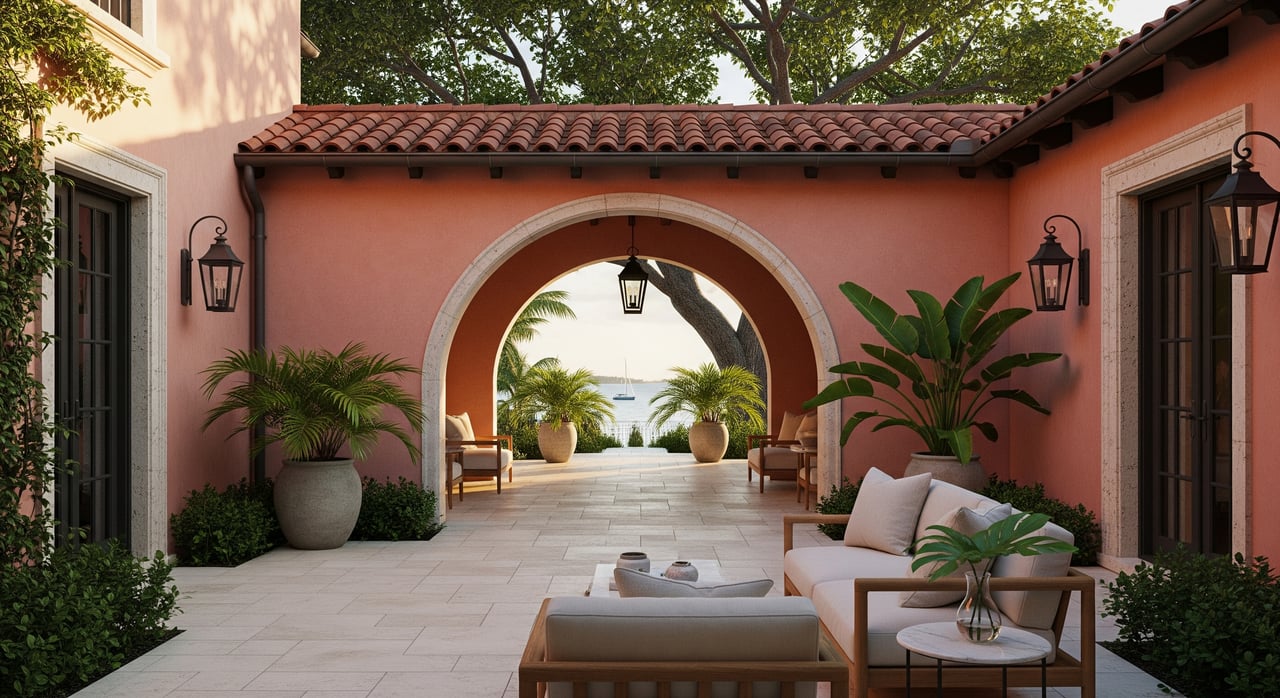
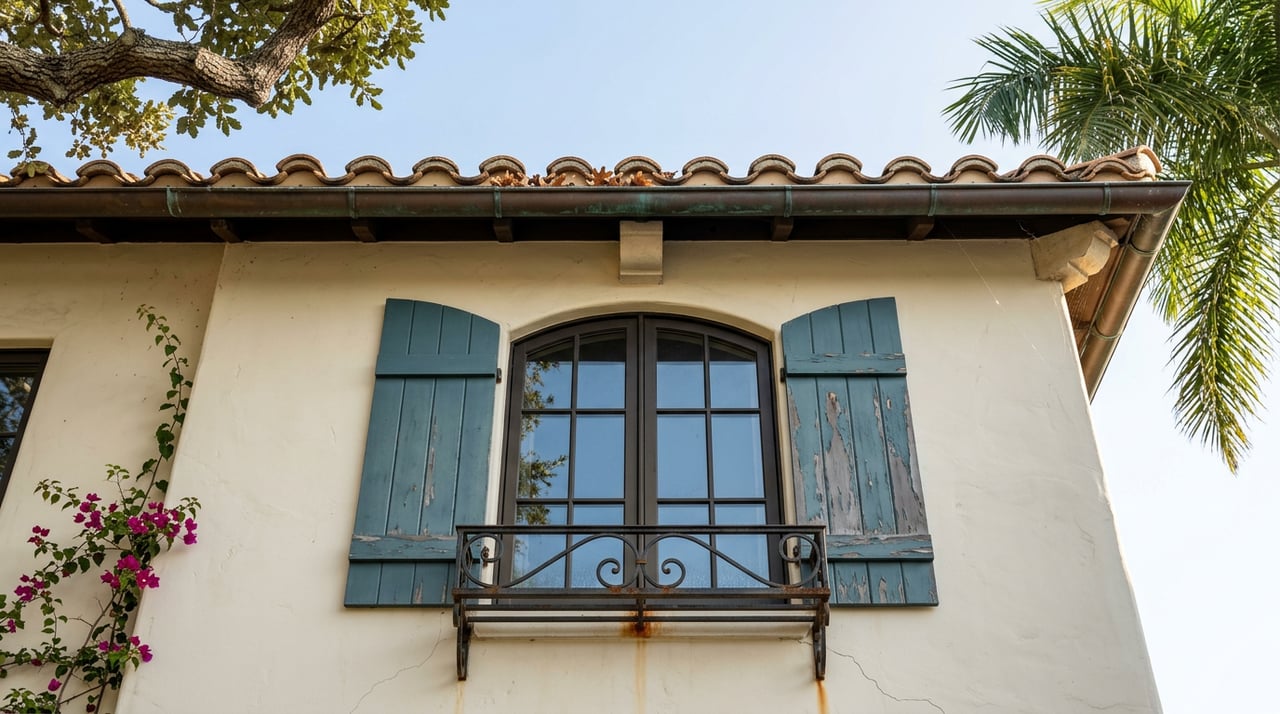
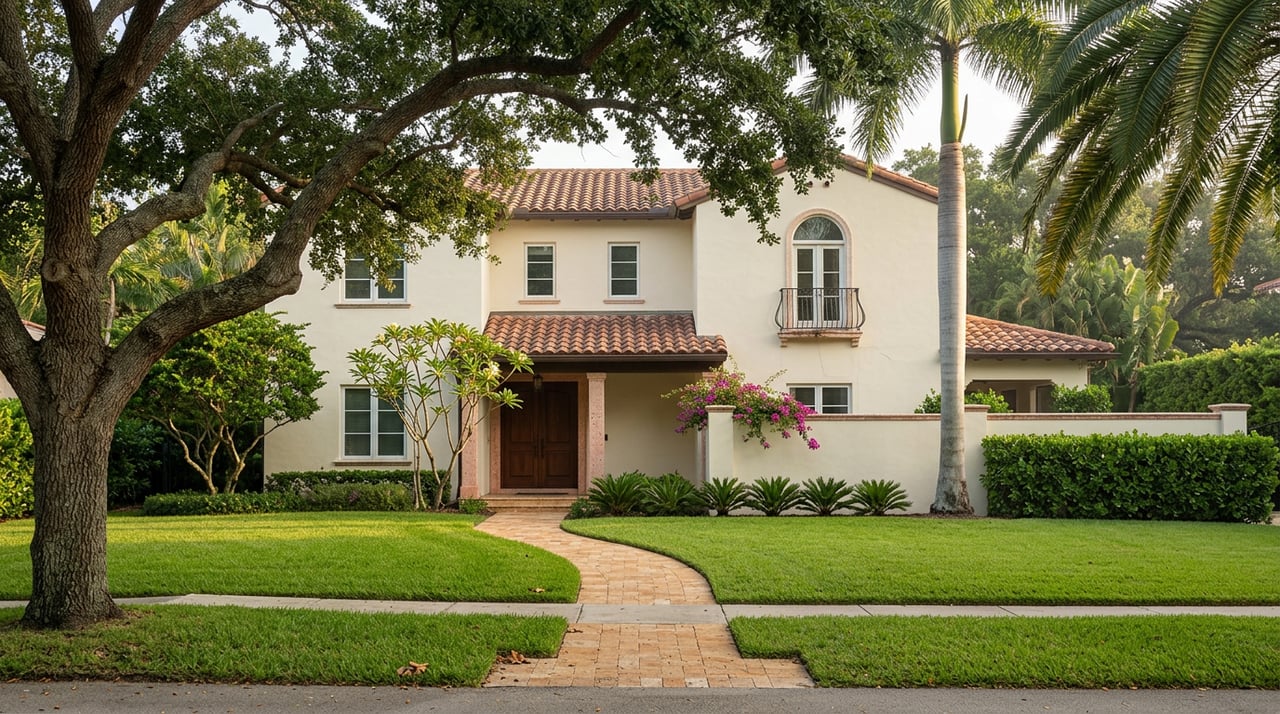
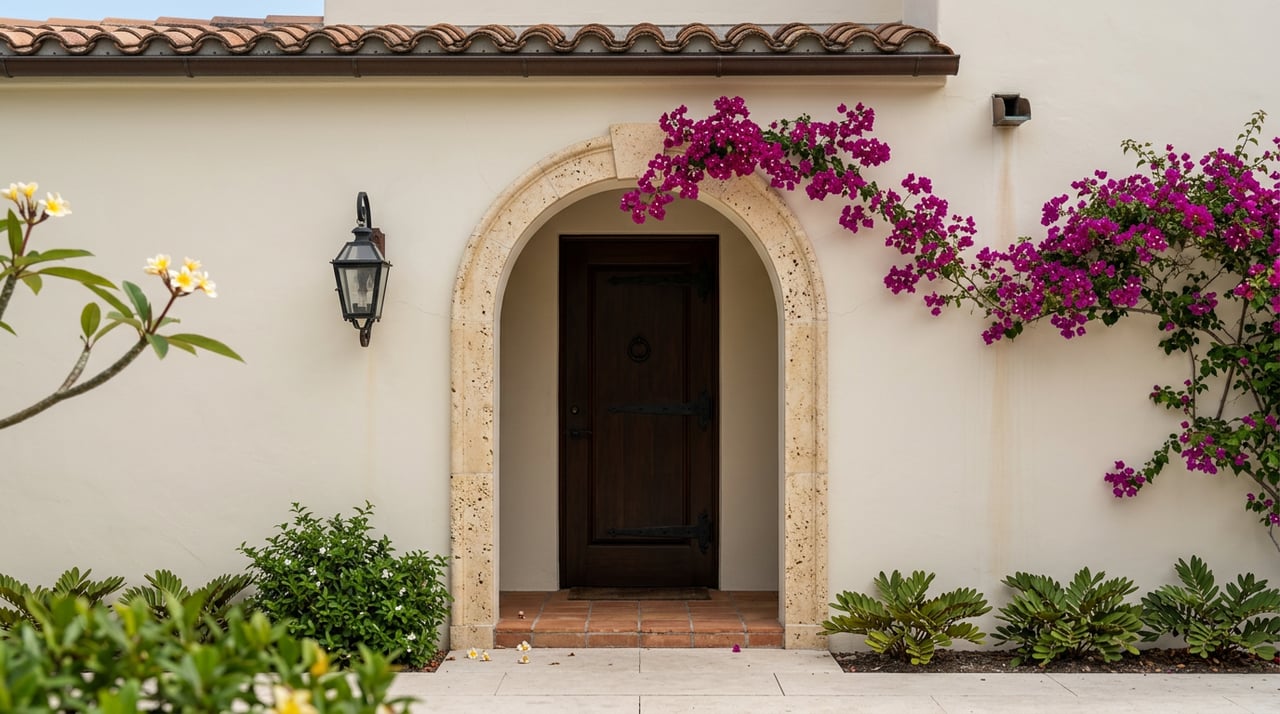
If you value larger single‑family lots and consistent architecture, Coral Gables often aligns with that preference. You will see Mediterranean and Spanish‑Revival homes, historic details, and planned streetscapes, along with boutique condos near commercial corridors. Zoning and design review help maintain a lower‑density feel.
If you prefer variety, Coconut Grove’s mix stands out. You will find historic bungalows, mid‑century homes, leafy interior streets, and a collection of luxury bayfront condos and estates near the water. Inland lots can be smaller and streets more winding, while select nodes allow higher‑density buildings.
By distance, both neighborhoods are close to Brickell and Downtown. Off‑peak, drives can be 10 to 20 minutes, while peak traffic on US‑1, Coral Way, and I‑95 approaches can extend that. East‑west movement can slow on Bird Road and Coral Way during rush periods.
Transit is usable for many commutes. The Metrorail serves the area with Coconut Grove, Douglas Road, and University stations, with connections to Downtown and Miami International Airport. Coral Gables runs a local trolley, and Coconut Grove has neighborhood shuttles that link to business districts. Walkability is strong in the Grove’s village core and along Coral Gables’ Miracle Mile, though bicycle infrastructure varies by route.
Both areas are among Miami’s greenest, with mature canopy and accessible parks. In Coral Gables, Fairchild Tropical Botanic Garden is a regional destination, and the Biltmore area features resort landscaping and golf greens. Small parks dot the residential blocks.
In Coconut Grove, you get bayfront access alongside shade and historic gardens. Peacock Park, The Barnacle Historic State Park, and The Kampong provide everyday escapes, and several linear green spaces follow the shoreline. Many residential streets feel naturally park‑like.
Coral Gables offers polished dining and shopping anchored by Miracle Mile and The Shops at Merrick Park. Expect fine dining, specialty retail, and professional services in a walkable setting.
Coconut Grove delivers a casual, outdoor‑forward scene with cafes, waterfront restaurants, and a lively village feel. CocoWalk and nearby blocks offer boutiques, entertainment, and cultural events. If you enjoy alfresco meals and arts‑oriented street life, the Grove often fits well.
For daily boating and sailing, Coconut Grove is hard to beat. Marina infrastructure near Dinner Key and private docks along the bay support an active boating culture with quick access to Biscayne Bay and the islands.
For golf and country‑club style amenities, Coral Gables stands out. You have notable courses, including the Biltmore area, and convenient access to club life. Grove residents often play in Coral Gables or other nearby courses.
Both neighborhoods offer access to public and private school options. Coral Gables is known for a strong family orientation and community services. Coconut Grove offers a mix of well‑regarded private schools and proximity to the University of Miami, appealing to a range of ages and household types. Always review school profiles and programs directly to confirm fit and availability.
Planning rules differ by city. Coral Gables maintains stringent design review and historic preservation measures, which support a cohesive aesthetic and can shape renovation timelines. Coconut Grove falls under City of Miami zoning that varies by block, with some preservation overlays and areas allowing higher‑density infill.
Flood risk and insurance are important in both low‑lying coastal neighborhoods. Specific risk depends on parcel elevation and proximity to the bay. Before you buy, check FEMA flood maps, review elevation certificates, and obtain insurance quotes. Newer construction generally meets updated hurricane codes, while older homes may benefit from wind and flood mitigation upgrades.
If you are considering short‑term rentals, confirm municipal rules and any HOA restrictions in your target micro‑area. The City of Coral Gables and the City of Miami have distinct regulations and enforcement practices.
Choose Coconut Grove if you prioritize:
Choose Coral Gables if you prioritize:
Pro tip for commuters: Test your route at your actual travel times. Short distances can take longer during peak hours. If boating and golf both matter, many buyers split the difference by living in the Grove and driving a few minutes to Gables courses.
Your lifestyle should drive your decision. Walk the streets at different times of day, tour both housing types that fit your budget, and map your daily routines to each location. If you want a clear plan tailored to your needs, schedule a private consultation with the Defortuna Group. You will get discreet, white‑glove guidance and access to on‑ and off‑market opportunities in Coconut Grove, Coral Gables, and beyond.
Stay up to date on the latest real estate trends.
Etiam non quam lacus suspendisse faucibus interdum. Orci ac auctor augue mauris augue neque. Bibendum at varius vel pharetra. Viverra orci sagittis eu volutpat.