Listing a home in Coral Gables soon? The right projects can lift your sale price, reduce buyer objections, and shorten days on market, but not every renovation performs in this market. You want upgrades that respect the neighborhood’s character and stand up to South Florida’s climate. In this guide, you’ll learn which improvements tend to add value in Coral Gables, how to navigate permits and timelines, and what to document for a smooth resale. Let’s dive in.
What buyers prioritize in Coral Gables
Coral Gables draws buyers who value quality construction, Mediterranean-inspired design, and an indoor-outdoor lifestyle. They also look for comfort and resilience in a subtropical climate. Here is what usually stands out:
- Hurricane‑ready features and durable exterior materials.
- Comfortable, energy‑efficient systems and well‑maintained roofs.
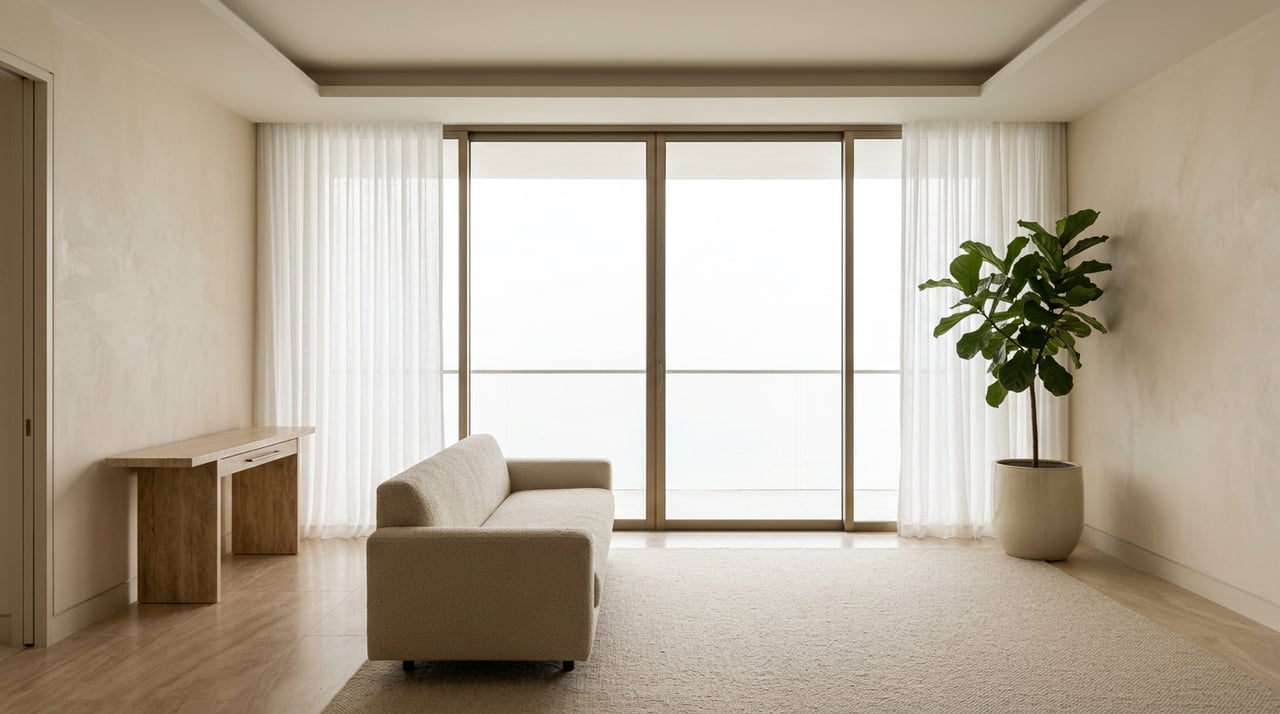
- Thoughtful kitchens and baths that fit the home’s architectural style.
- Usable shaded outdoor living with privacy and mature landscaping.
- Clean documentation on permits, product approvals, and flood information.
Tackle core systems first
Upgrading core systems may not be flashy, but it reduces friction in negotiations and can help with insurance conversations. Focus on items that signal long‑term care.
- Impact‑rated windows and doors. Use products with Miami‑Dade approvals. These can increase buyer confidence, help mitigate storm risk, and may influence windstorm insurance premiums.
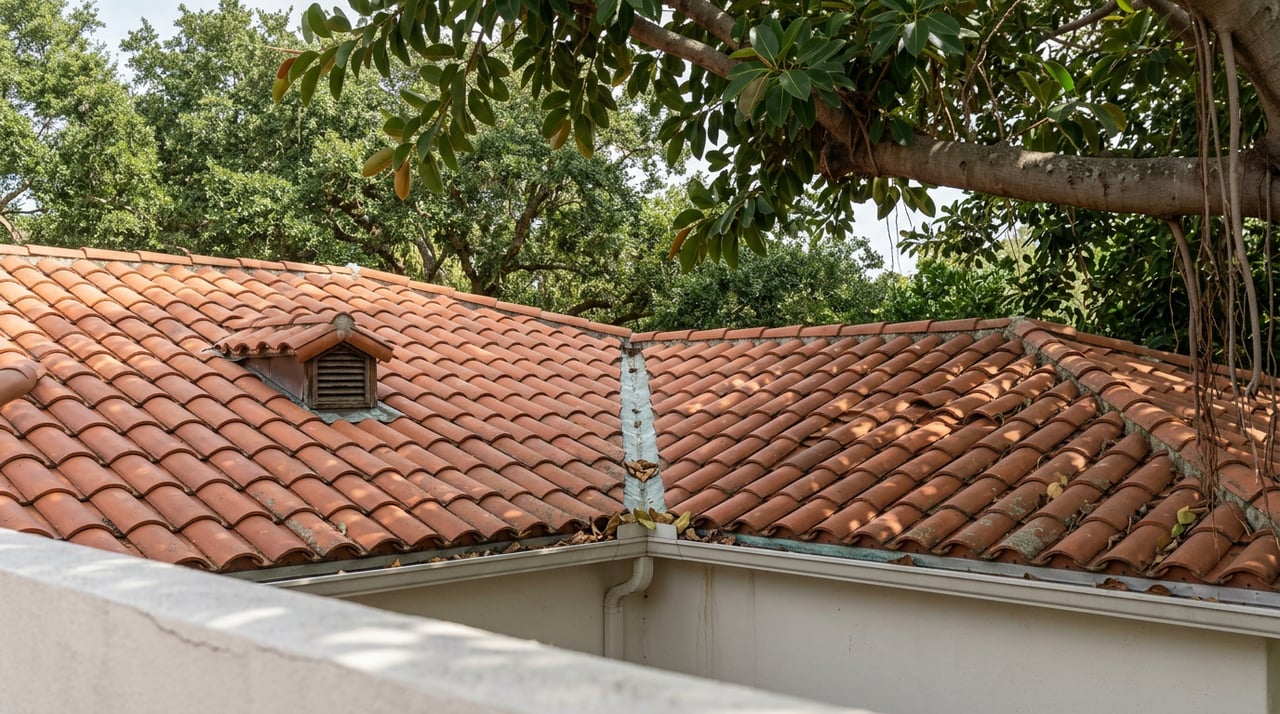
- Roof condition and materials. A newer, code‑compliant roof with proper flashing and drainage is a major selling point. Pair with well‑sized gutters and downspouts for heavy seasonal rain.
- HVAC performance. Right‑sized, efficient systems with sealed ducts and programmable thermostats improve comfort and energy use. Clear service records help.
- Electrical capacity and safety. Panels that support modern loads and high‑end appliances reduce inspection issues.
- Plumbing upgrades. Replacing old galvanized lines, addressing sewer laterals, and adding backflow preventers where required can prevent costly surprises.
Tip: Keep invoices, permits, and warranty information together so buyers can review them during due diligence.
Kitchens that fit the neighborhood
Kitchens remain central to decision‑making, and in Coral Gables, design continuity matters.
- Minor refresh (fast to market). Refinish or paint cabinets, replace hardware, install honed quartz or natural stone counters, swap dated fixtures, and update appliances. Ensure adequate electrical and plumbing support for newer appliances.
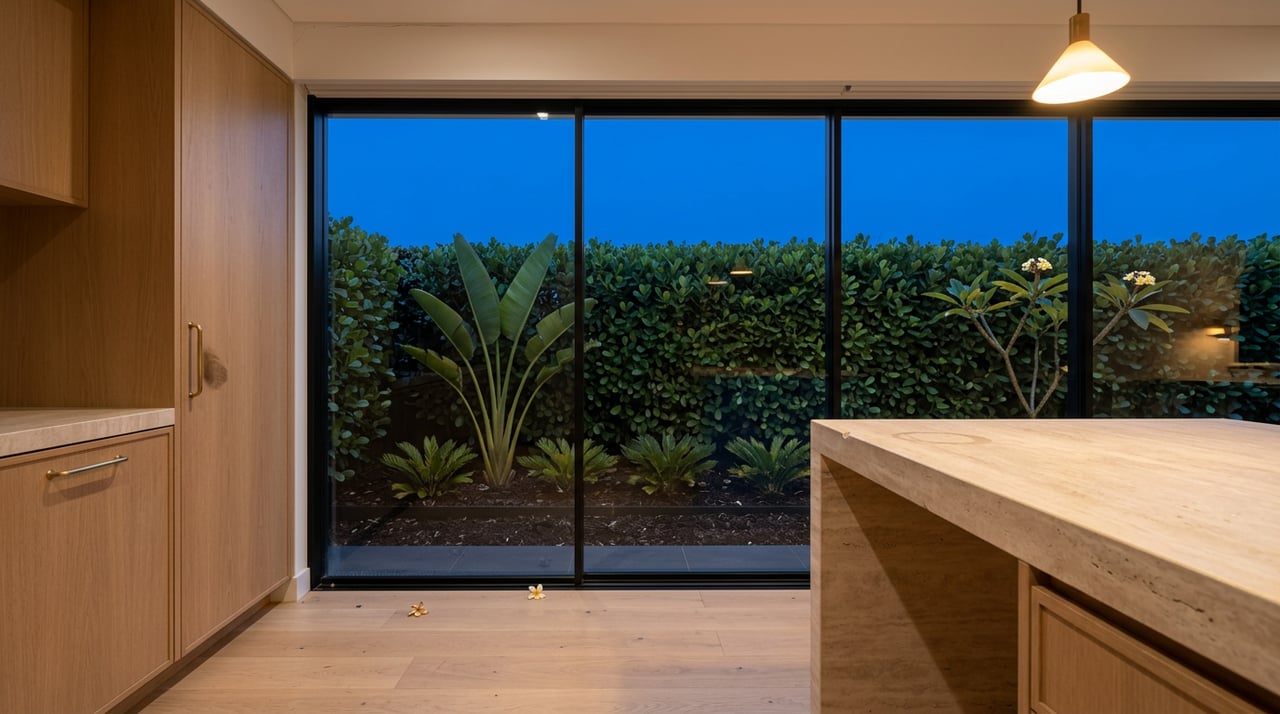
- Full remodel (more time, higher impact). Rework layouts for function while keeping period‑appropriate cabinet profiles and classic materials. Consider tile or terrazzo flooring where compatible with the home.
- Material cues that resonate. Shaker or paneled cabinetry, honed stone or quartz, and tasteful, Mediterranean‑inspired backsplashes in subdued patterns.
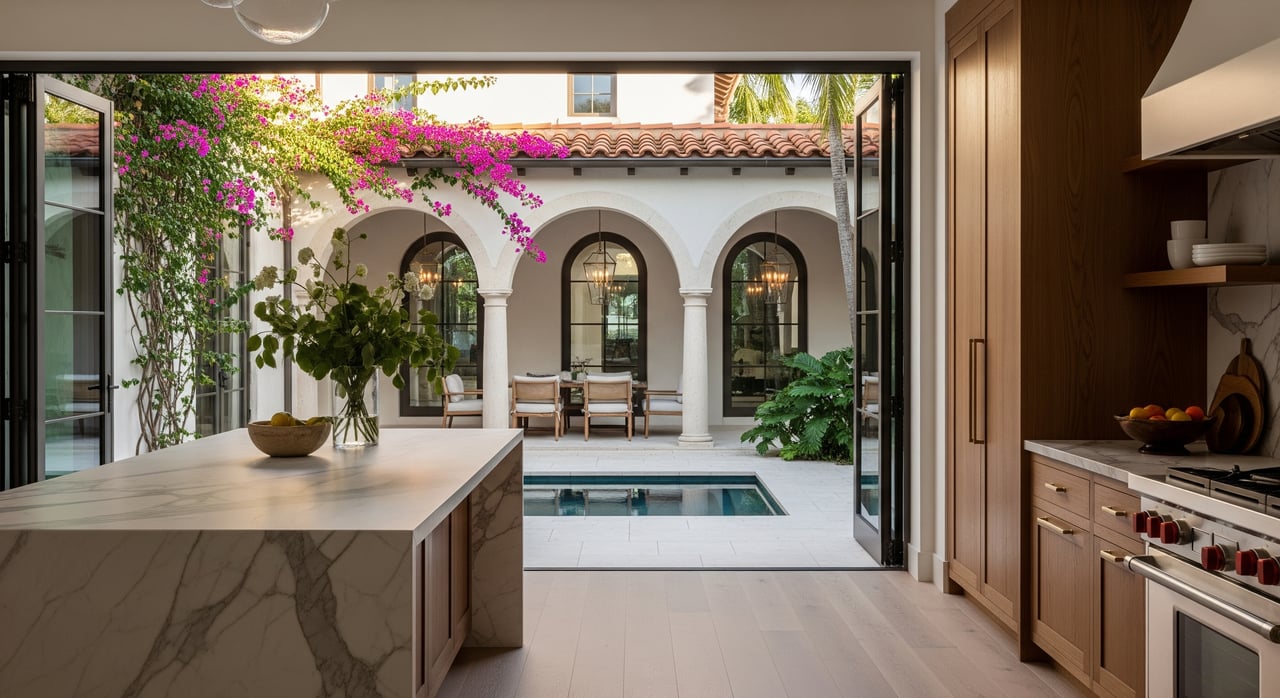
Aim for a clean, timeless look that complements arched openings, plaster walls, and wrought iron accents common in the area.
Baths that feel timeless
Updated baths signal low maintenance and livability.
- Cosmetic updates. New vanities, lighting, plumbing fixtures, and fresh tile can transform the space without structural changes.
- Strategic reconfiguration. Where feasible, add an en suite or improve layout for function. Keep classic tile patterns, marble or porcelain surfaces, and period‑appropriate lighting to respect the home’s style.
As with kitchens, focus on quality fixtures and a calm, neutral palette that aligns with the home’s character.
Outdoor living that sells
Usable outdoor rooms are prized in South Florida. The goal is shade, comfort, and seamless flow from indoors to outdoors.
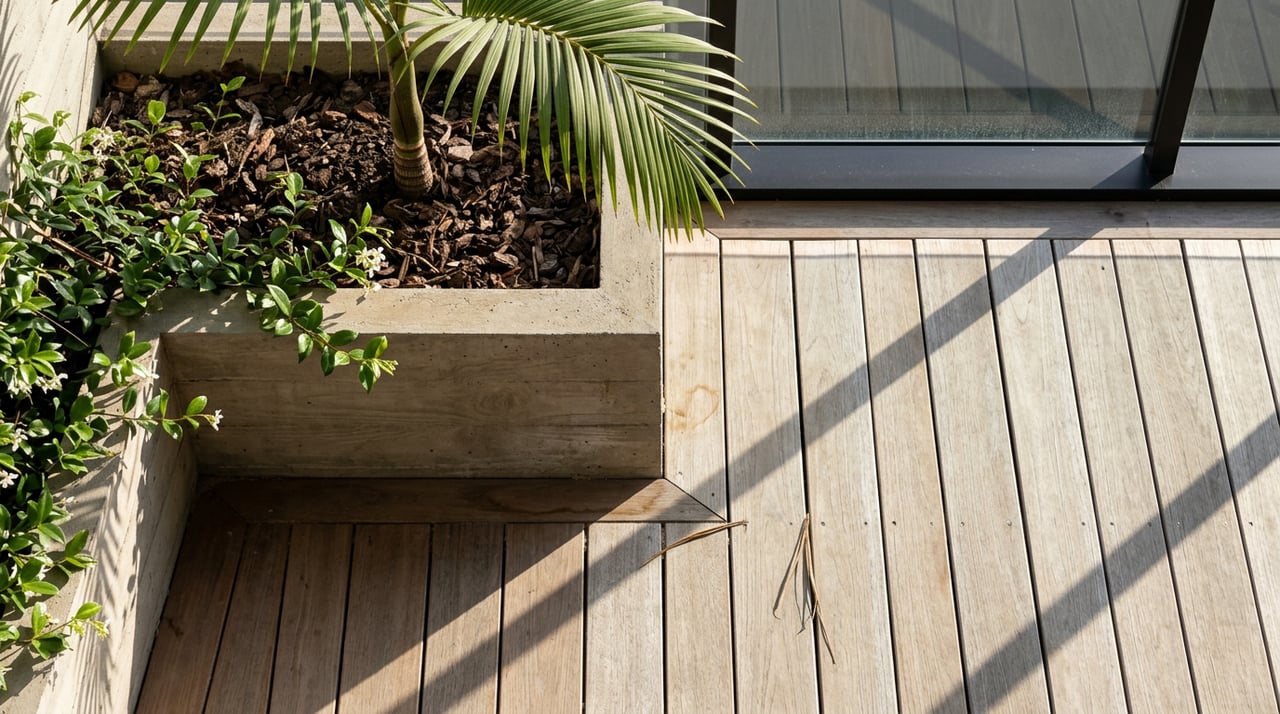
- Covered loggias or screened lanais. Durable non‑slip porcelain or stone flooring, integrated lighting, and ceiling fans make these areas truly livable.
- Outdoor kitchens and terraces. Weather‑resistant cabinetry and appliances, gas or electric cooking, and thoughtful storage increase everyday utility.
- Pools and poolscapes. Well‑designed pools remain desirable in many neighborhoods. Energy‑efficient equipment, safety fencing, and high‑quality deck finishes help with marketability.
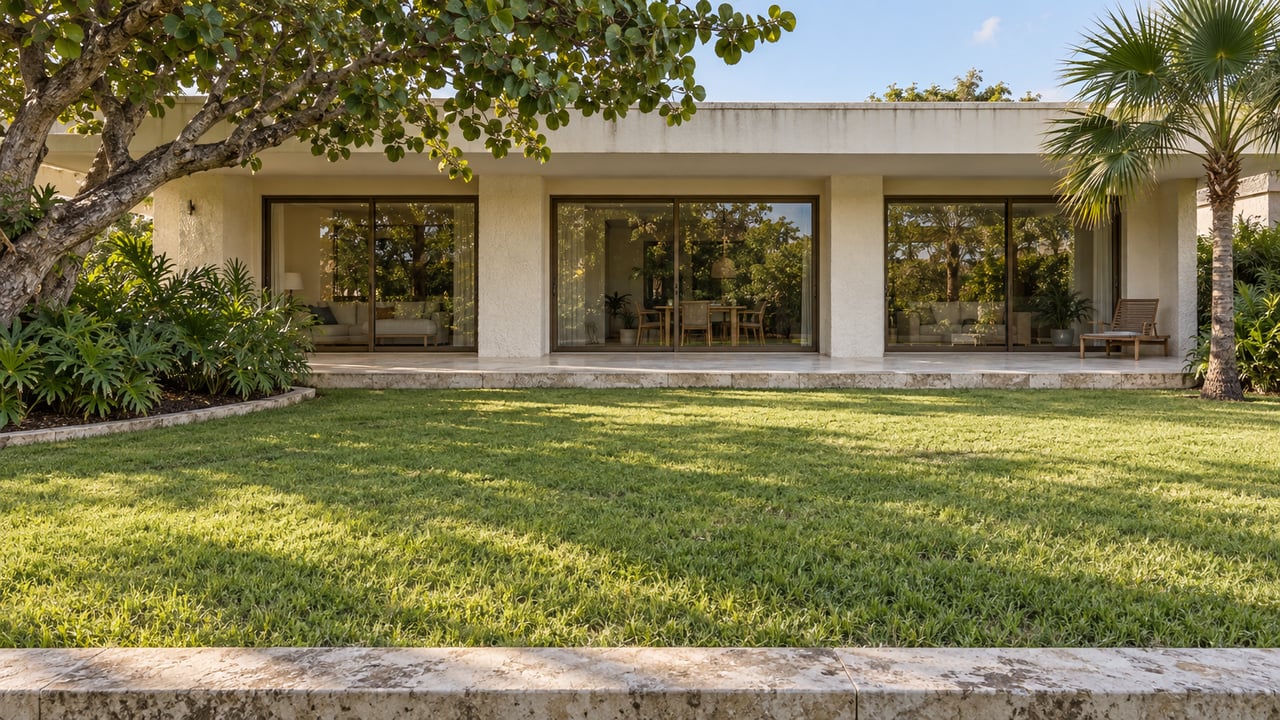
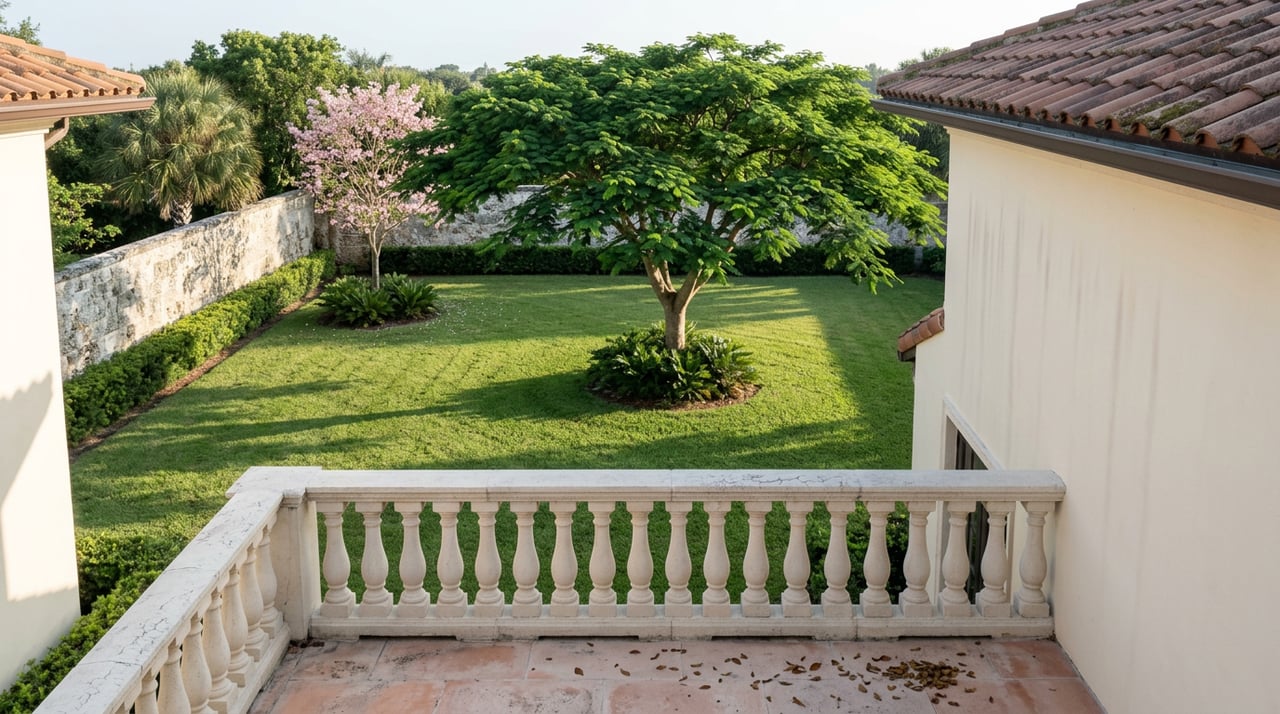
- Landscaping and curb appeal. Preserve canopy trees where possible, use native or regionally appropriate plantings, and ensure proper grading, drainage, and irrigation. Professional tree care makes a difference.
- Privacy and screening. Hedges and fences that align with neighborhood rules create a quiet retreat without clashing with local design norms.
Energy efficiency and resilience
Comfort and resilience are selling points in a humid, hurricane‑prone climate.
- Insulation and ventilation. Improve attic insulation and ventilation, seal ducts, and add smart thermostats to enhance comfort and help lower energy use.
- Impact windows and doors. These contribute to both resilience and energy performance while supporting insurance conversations.
- Solar PV and battery storage. Interest is growing. Market value depends on system ownership and utility dynamics. Owned systems with clear production data are simpler to convey than leases or PPAs.
- Roofing and drainage. Code‑compliant roofing assemblies and well‑sized gutters keep interiors dry during heavy rainfall.
Document improvements and, if available, provide performance metrics to prospective buyers.
Honor Coral Gables architecture
Buyers in historic areas often value authenticity. Even outside historic districts, a preservation‑minded approach helps your home feel at ease in the neighborhood.
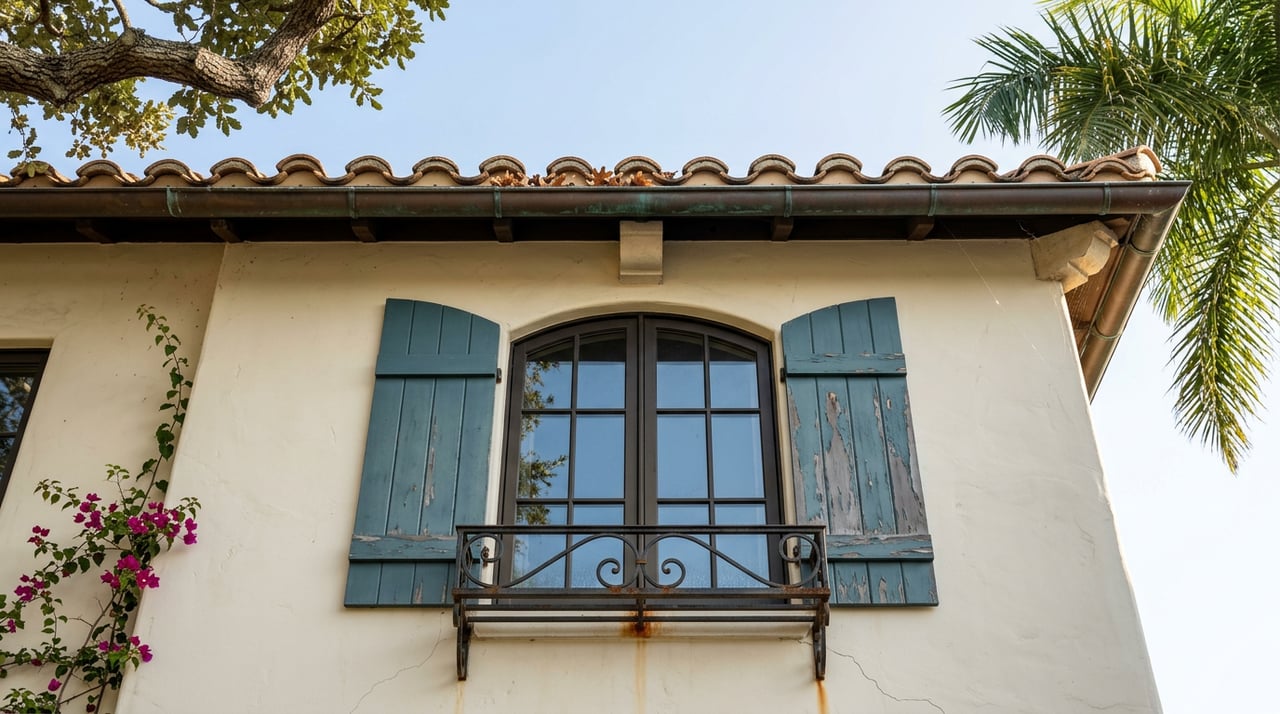
- Exterior palette. Stucco in warm, subdued tones, clay tile or tile‑look roofs where appropriate, and tasteful wrought iron or painted wood accents.
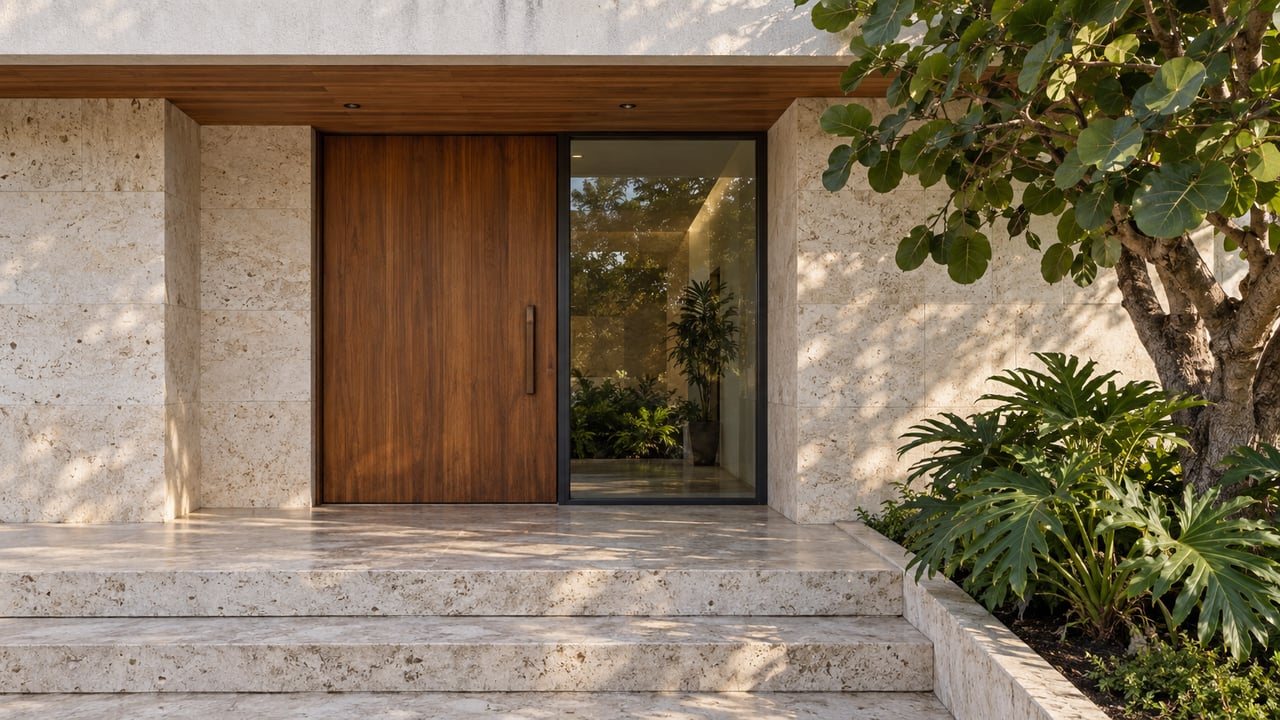
- Flooring. Terrazzo, limestone or travertine in entries and porches; wide‑plank hardwoods or large‑format porcelain tile indoors for a clean indoor‑outdoor flow.
- Kitchen/bath finishes. Classic cabinet profiles, honed stone surfaces, and decorative tiles with Mediterranean motifs used sparingly.
- Preserve and restore. Retain original doors, windows, moldings, and decorative tile where possible. When replacing, use like‑for‑like materials and keep a record of the work.
If your home is in a historic district, exterior changes often require review. Interiors usually face fewer restrictions, but maintaining period details supports marketability.
Permits, codes, and hiring the right team
The local regulatory environment is active. Proper permitting protects value and reduces closing risk.
- Know the agencies. The City of Coral Gables handles building and planning, and the Historic Preservation Board reviews applicable exterior changes. Miami‑Dade County enforces building codes, including hurricane standards in the Florida Building Code. FEMA flood maps and elevation certificates are relevant in certain areas.
- Verify contractor licensing. Florida requires licensed contractors for many categories. Confirm current licensing and insurance, and ensure familiarity with Miami‑Dade product approvals and local historic processes.
- Plan for review times. Small interior updates and simple fixture changes can move in weeks. Impact windows, standard replacements, and similar projects can be faster with correct product approvals, but historic review may extend timelines. Pools, additions, solar, and exterior changes in historic areas can take months from plan preparation to final inspection.
- Inspections and closeout. Schedule required inspections and secure final certificates of completion or occupancy where applicable before listing. Keep clear records for buyers.
- Flood and insurance. In flood‑affected areas, document elevations and mitigation steps. Some storm‑hardening improvements may influence insurance premiums. Consult local experts before starting work.
Plan by your listing timeline
Your prep strategy should match when you intend to hit the market.
4–8 weeks to list
- Paint in neutral tones and refresh lighting.
- Minor kitchen and bath updates, plus deep clean and declutter.
- Landscape tune‑up for strong curb appeal and canopy care.
- Identify any unpermitted work and start to resolve it.
2–4 months to list
- Install impact‑rated windows and doors.
- Service or replace HVAC; seal ducts and add smart thermostats.
- Complete a midrange kitchen or bath project with classic finishes.
- Add shade structures or enhance outdoor living areas.
4+ months to list
- Roof replacements, additions, or pool construction.
- Solar PV and battery projects with utility coordination.
- Historic approvals for exterior alterations.
- Larger reconfigurations that improve layout and function.
Assemble a clean dossier for buyers
Well‑organized documentation builds trust and can streamline underwriting and insurance.
- Permits and final inspection certificates for major work.
- Warranties for roof, HVAC, windows, solar, and equipment.
- Product approvals for impact windows, doors, and roofing assemblies.
- Energy or performance documentation, such as system outputs.
- Elevation certificates and flood‑zone information when applicable.
- As‑built drawings and scopes of work for recent renovations.
Marketing and presentation tips
The right presentation helps viewers feel the home’s lifestyle from the first photo.
- Highlight shaded outdoor rooms, indoor‑outdoor flow, and mature landscaping.
- Call out hurricane‑ready features, documented system replacements, and tasteful restorations.
- Use photography that captures texture and light, especially around architectural details.
- Provide a concise narrative that explains how updates preserved character while improving comfort and resilience.
Avoid these common pitfalls
- Skipping permits or closing out old permits, which can delay or derail closings.
- Selecting finishes that clash with Mediterranean Revival character.
- Overlooking drainage, irrigation, and tree care, which are critical in heavy rain.
- Underestimating lead times for approvals, inspections, and specialty materials.
- Neglecting insurance and flood documentation, including elevation certificates.
- Hiring contractors without proper licensing, product knowledge, or local experience.
Let’s position your home for results
Every Coral Gables property is unique. The best plan blends tasteful upgrades with code‑smart improvements and meticulous documentation. If you are weighing projects before you list, we can help you prioritize for your price point, timeline, and neighborhood. Schedule a private consultation with the Defortuna Group to map your strategy and move forward with confidence.
FAQs
Do kitchen remodels add value in Coral Gables?
- Yes, when they balance function with classic finishes that fit the home’s style, such as honed stone counters, period‑appropriate cabinetry, and upgraded mechanicals.
Are impact windows worth it for resale in Coral Gables?
- They are highly valued for storm protection and can support insurance conversations, especially when documented with Miami‑Dade product approvals.
How long do permits take in Coral Gables?
- Small interior updates can move in weeks, while pools, additions, solar, and historic exterior changes can take several months, including reviews and inspections.
What documentation should I provide buyers in flood‑affected areas?
- Elevation certificates, flood‑zone information, and records of any mitigation or elevation improvements, plus standard permits and warranties for recent work.
Will a new pool help my sale in Coral Gables?
- A well‑designed pool with efficient equipment and safe fencing can be desirable; focus on quality finishes and placement that complements the outdoor living areas.
How should I vet contractors for projects in Coral Gables?
- Verify Florida licensing and insurance, ensure familiarity with Florida Building Code, Miami‑Dade product approvals, and Coral Gables historic or design review where applicable.