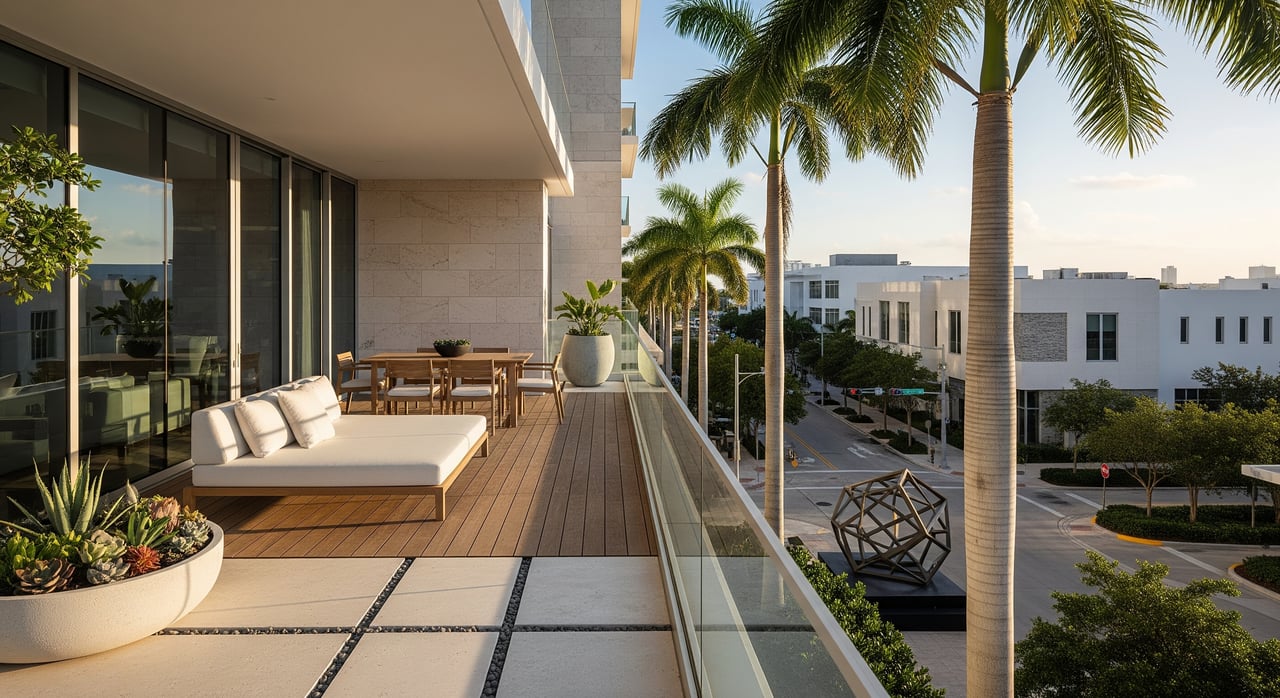
Your Design District Living Guide to Miami's Art Hub
December 4, 2025
December 4, 2025
If you love world-class art, striking architecture, and the ease of walking to cafés and boutiques, the Miami Design District will catch your eye fast. It is vibrant, curated, and visually bold, which makes day-to-day life feel different from a typical neighborhood. In this guide, you will learn what living here really feels like, where most residents choose to live nearby, and how to decide if the district fits your lifestyle. Let’s dive in.
The Miami Design District is a compact cultural and retail hub north of Downtown Miami. You will find luxury fashion flagships, furniture and lighting showrooms, contemporary galleries, and design studios within a few walkable blocks. The area was intentionally shaped as a destination for design and culture rather than a traditional residential enclave. Daily life in the core is lively by day, with a calmer tone most evenings.
The built environment favors pedestrians. Curated plazas, shaded passages, and public art weave through the streets, which makes short trips to cafés, galleries, or a workout studio feel easy. You will see more visitors and design professionals during the day, especially around events, than you would in a strictly residential area.
The district’s cultural layer is a defining feature. The Institute of Contemporary Art, Miami anchors contemporary programming, and the area’s gallery network and private collections contribute to a steady calendar of exhibitions. You will also notice rotating public art and site-specific installations across plazas and facades. During Miami Art Week and other design festivals, this pocket becomes one of the city’s most active cultural stages.
Shopping here is curated and design-forward. Luxury flagships sit alongside furniture, lighting, and interior showrooms that cater to both trade professionals and consumers. You come for the showroom experience, not discount shopping. Windows change seasonally and architecture is part of the draw.
Dining spans chef-driven restaurants, stylish lounges, and casual cafés. Because the district is compact, many residents mix in nearby Midtown, Wynwood, and Edgewater for additional options. You can meet a client over coffee, have a gallery visit, and enjoy a late lunch within a few blocks.
If you prioritize walkability, the district delivers. You can handle quick errands, meet friends, and explore galleries without getting in the car. Street life is strongest during the day and on event evenings. If you like a quiet nighttime setting with a visually rich daytime scene, the balance often works well.
Most residents use a mix of walking, rideshare, and short car trips. Bus routes run along major corridors, and you are a quick drive from Downtown and the I-95 corridor. Parking exists in garages and private lots, though demand spikes during major events. If you plan to drive often, confirm your building’s parking setup and test parking during peak times.
The retail core focuses on fashion, design, and dining. For full-service groceries, banks, and healthcare providers, you will likely use nearby Midtown or Edgewater. Fitness studios, salons, and boutique services are common inside the district. If you have specific needs, map your routine to confirm convenient options before you commit.
Expect a lively daytime rhythm, with deliveries, shoppers, and gallery visitors. Event weeks bring higher energy and foot traffic, especially on weekends. Evenings are usually calmer than nightlife-heavy districts, though restaurants and select venues keep later hours. If you are sensitive to noise, plan visits at different times of day to gauge your comfort.
Like many central urban districts, conditions vary by time and activity level. The commercial core is actively managed and patrolled, especially during business hours and events. As always in city centers, use standard precautions and stay aware of your surroundings. Local reporting and community updates can help you track trends.
Most people who want to be close to the Design District choose homes in the surrounding neighborhoods. Each area offers a different housing type and lifestyle fit.
If you like to start your day with a café walk, spend weekends browsing galleries, and entertain friends at design-forward restaurants, living near the district can feel like an everyday lifestyle upgrade.
Development and investment have shaped the area over the past decade. Adjacent neighborhoods like Edgewater and Midtown have experienced steady development pressure and price appreciation during that period. Inventory and pricing change quickly in vertical markets, so you will want current MLS data and recent comparable sales to set expectations. If you are weighing a specific building or street, visit at multiple times and during an event week to understand the rhythm.
Use this list to confirm the fit before you buy or lease near the Miami Design District:
Buying near the Miami Design District requires a clear read on lifestyle fit, building-level details, and fast-moving inventory. You deserve a partner who understands the nuances of vertical living, new development, and the cultural rhythm that shapes this pocket of Miami. The DeFortuna Group pairs boutique, white-glove advisory with the reach of Fortune and Christie’s to help you identify the right building or home, manage every step with discretion, and bring your property to market with elevated storytelling when it is time to sell. Ready to explore your options near the district? Schedule a private consultation with the Defortuna Group.
Stay up to date on the latest real estate trends.
Etiam non quam lacus suspendisse faucibus interdum. Orci ac auctor augue mauris augue neque. Bibendum at varius vel pharetra. Viverra orci sagittis eu volutpat.